28.2 C
Volta Region
Monday, August 31, 2026
spot_img
Home Blog Page 89

Securing Rural Education

0
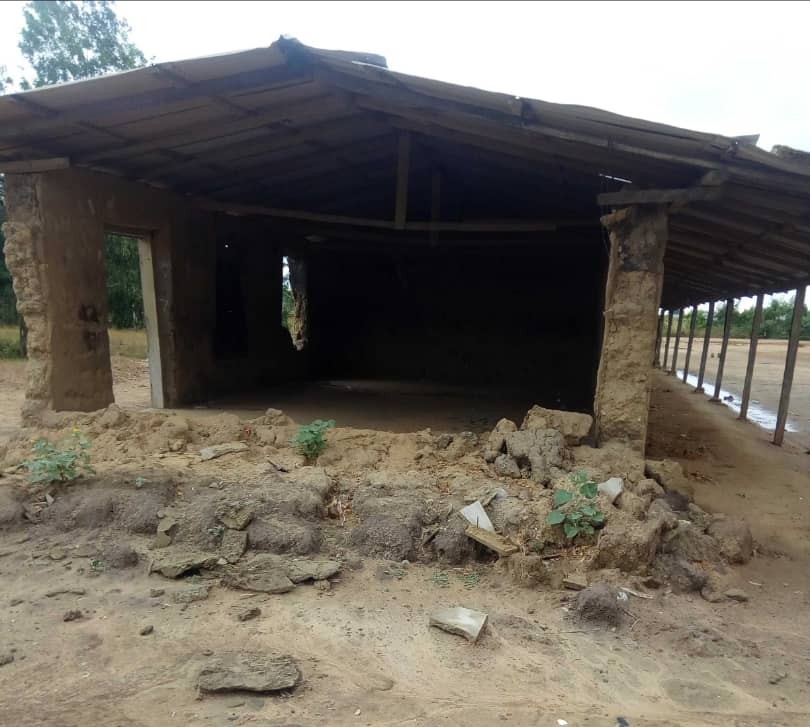
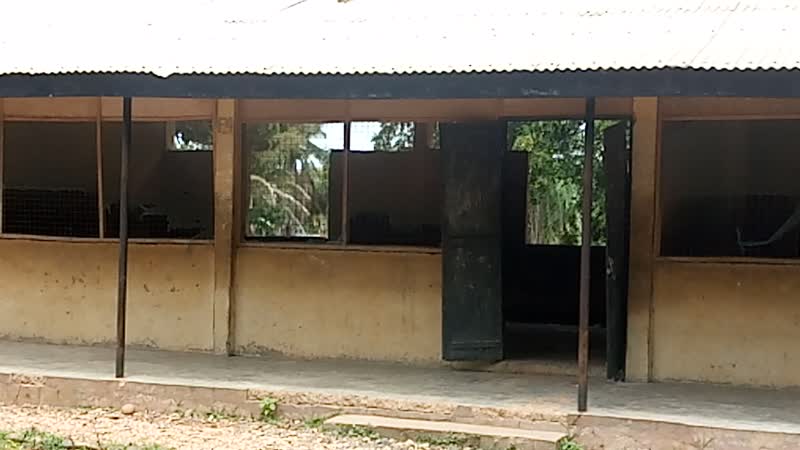
Collapsed wall of Dzebetato D/A Basic School

By: Tabitha Kugbonu | Voltaonlinegh |

Education does not only improve our personal life but also bring amazing positive change in society and the nation as a whole. It is the best tool for facing any situation throughout life.

The right to education makes it compulsory for all children to get the basic education.

According to the International Standard Classification of Education (ISCED), basic education comprises primary education and lower secondary education.

Universal basic education is regarded a priority for developing countries and is the focus of the Education for All movement led by UNESCO.

The United Nations Sustainable Development Goal No. 4 states that “Education is to ensure inclusive and equitable quality education and promote lifelong learning opportunities for all”.

However, some schools in the rural areas still lag behind as far as quality education is concerned due to a number of factors including lack of classroom infrastructure and inadequate provision of teaching and learning materials.

Dzebetato D/A Primary School (established in 1965) with an enrolment of 206 from Kindergarten (KG) 1 to Primary 6 is one of the few schools sited in the rural areas in the South Tongu District of the Volta Region, and is plagued with infrastructural challenges forcing pupils to learn in dilapidated classrooms.

The situation gets worse during raining seasons. Reptiles find their ways into the classrooms while teaching and learning go on chasing the pupils away from their studies.

Sources reveal that the KG pupils as well as the Junior High School (JHS) do not have classroom blocks. For the community not to look unconcerned, they built a three-unit classroom block made with mud for the JHS pupils to use which unfortunately, collapsed in the third term of the 2018/2019 academic year.

The community again started a two-unit classroom block (currently 50 per cent completed) for pupils of  KG 1-2 which the South Tongu District Assembly had supported with GH¢ 1,500.00

In an interview with Head teacher of the school, Solomon Adziman, he said the Dzebetato Community “is doing well to help the school to progress.”

Mr. Adziman said although they were faced with infrastructural challenges in the school, performance during Basic Education Certificate Examination (BECE) which the students started writing in 2017, had so far been good saying, the school “is one of the best  in the Agave Circuit.”

He said apart from the infrastructural challenges (which is a disincentive to school enrolment), the school was also not benefiting from the Ghana School Feeding Programme (GSFP) which started in 2005.

Out of 212 public basic schools in the district, only 56 are benefiting from the programme being implemented for the purpose of eradicating extreme poverty and hunger and achieving universal primary education by providing public primary schools with one hot meal, prepared from locally grown foodstuffs every school-going day.

Mr. Adziman stated that, he and the Assembly member for Dzebetato Electoral Area, Jessi Kpodo and former Assembly member, Patrick Doe had written several proposals to the assembly requesting for the school to benefit from the programme but yielded no results.

He said this was having negative impacts because the pupils would always leave for their homes to have lunch and take a long time to return to the school for lessons to resume.

He therefore appealed to the authorities of the assembly to help address these challenges because basic education “is the foundation for all other levels of education” and the lives of future leaders at the basic level should not be toiled with.

In March, 2019, when the Volta River Authority (VRA) handed over a 30 Standalone Biofil Toilet Facility to the people of Dzebetato community to fight against Bilharzia and sanitation related issues, District Chief Executive for the area,  Emmanuel Louis Agama in a speech, promised the school to find a lasting solution to their plight.

However, it has been several months and another academic year has started but nothing has been done about the situation.

According to American Muslim Minister Malcolm X, and human rights activist, “education is the passport to the future for tomorrow belongs to those who prepare for it today.”

If only government will be serious with education in the rural areas through implementing attractive policies, provision of infrastructure facilities, resources, teaching and learning materials and with the right incentives for teachers there, the story will be different where pupils and teachers alike will feel comfortable in school for effective teaching and learning.

This will reduce school dropout rate, ensure quality education and improved performance and eventually better the living conditions of society.

In the end, government benefits as citizens are better placed to understand government’s policies and support their implementation for the overall good of the nation.

Source: www.voltaonlinegh.com

Deputy Minister Welcomes New Pupils for 2019/20 Academic Year

0
Mr. Johnson Avuletey, Deputy Regional Minister

By: KALD | Voltaonlinegh |

The Deputy Volta Regional Minister, Rev. Johnson Avuletey on Tuesday embarked on a tour of some selected basic schools in the Ho Municipality to welcome new pupils into the country’s school system.

Accompanied by the Regional Director of Education, Madam Enyonam Amafugah, Ho Municipal Chief Executive Hon. Nelson Akorli, Ag. Ho Municipal Education Director, Mr.  Joseph Tei Amesimeku and Ho Municipal Health Director, Dr. Senanu Dzokoto, the Deputy Minister participated in the annual, ‘My First Day at School’ celebration to welcome children now making a debut in the mainstream education system for the 2019/20 academic year.

Schools visited included, Agbokope A.M.E.  Zion Basic School, Air Field Basic School, Free Town MA Basic School, Ho Kpodzi  E.P Basic School and Kabore School Complex, where Mr. Avuletey and his entourage interacted with both pupils and teachers.

While welcoming the new ones into the schools system on behalf of the Regional Minister, Dr. Archibald Letsa, he entreated the teachers to provide a conducive environment for the children to remain in school.

He urged them to be good role models to the pupils and nurture them in a morally upright manner.

The Deputy Minister as part of the tour, distributed exercise books and other souvenirs to the newly promoted Kindergarten one pupils.

He also donated 50 bags of cement to Agbokope A.M.E. Basic for the construction of a new classroom block.

Source: www.voltaonlinegh.com

Damanko Farmers Demand Better Roads

0

By: Benjamin Owusu | Voltaonlinegh |

Yam famers and buyers at Damanko in the Nkwanta North District of the Oti Region are appealing to the government to help them get their fair share of the national cake by providing them with better roads to enable them transport their produce to market centres.

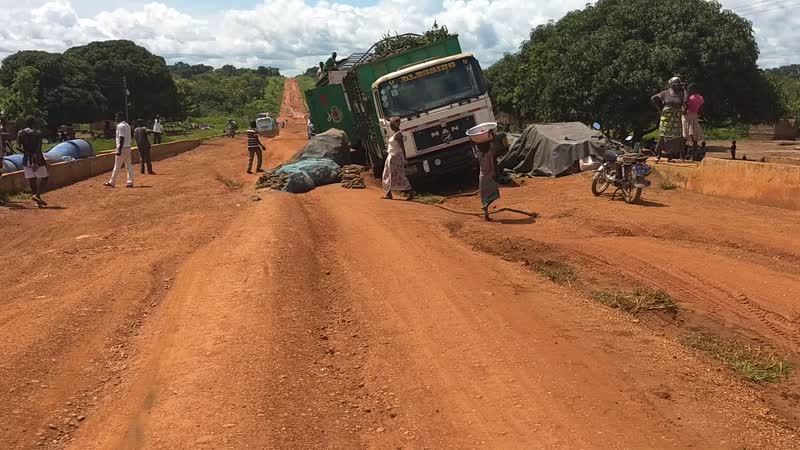
According to the farmers, it has become extremely difficult to transport their farm produce to market centres for sale as drivers kept refusing to ply the road during the raining season.

Speaking in an interview, Chairman of the Yam Sellers Association, Kofi Nikuma noted that Damanko Market was so integral to trading activities which could attract traders from far away but had been left out as farmers and individuals continually lose their produce after harvesting as a result of the appalling nature of the Nkwanta-Damanko stretch of the stalled Eastern Corridor Road.

Mr. Nikuma further stated that due to this, market women and traders who “visit the area, buy the produce at cheaper prices making farmers poorer.”

He therefore called on government to complete the abandoned Eastern Corridor Road project, especially the Damanko to Nkwanta stretch to open the area up to alleviate the suffering of farmers.

Some traders lamented among other things, the high transport fares drivers charge them and the long hours they had to endure on their journeys due to the bad road.

They appealed to the government to come to their aid to get the road fixed while calling on the district assembly to construct market sheds with stalls to boost their business.

Meanwhile, some drivers who ply the road in reaction to the claims by the traders, defended the transport fares saying, they needed to find a way to keep their vehicles on the road because after every journey, they needed to visit the mechanics for maintenance for the “road is bad.”

Source: www.voltaonlinegh.com

Hostilities of the Hospitalities in Sogakope

0
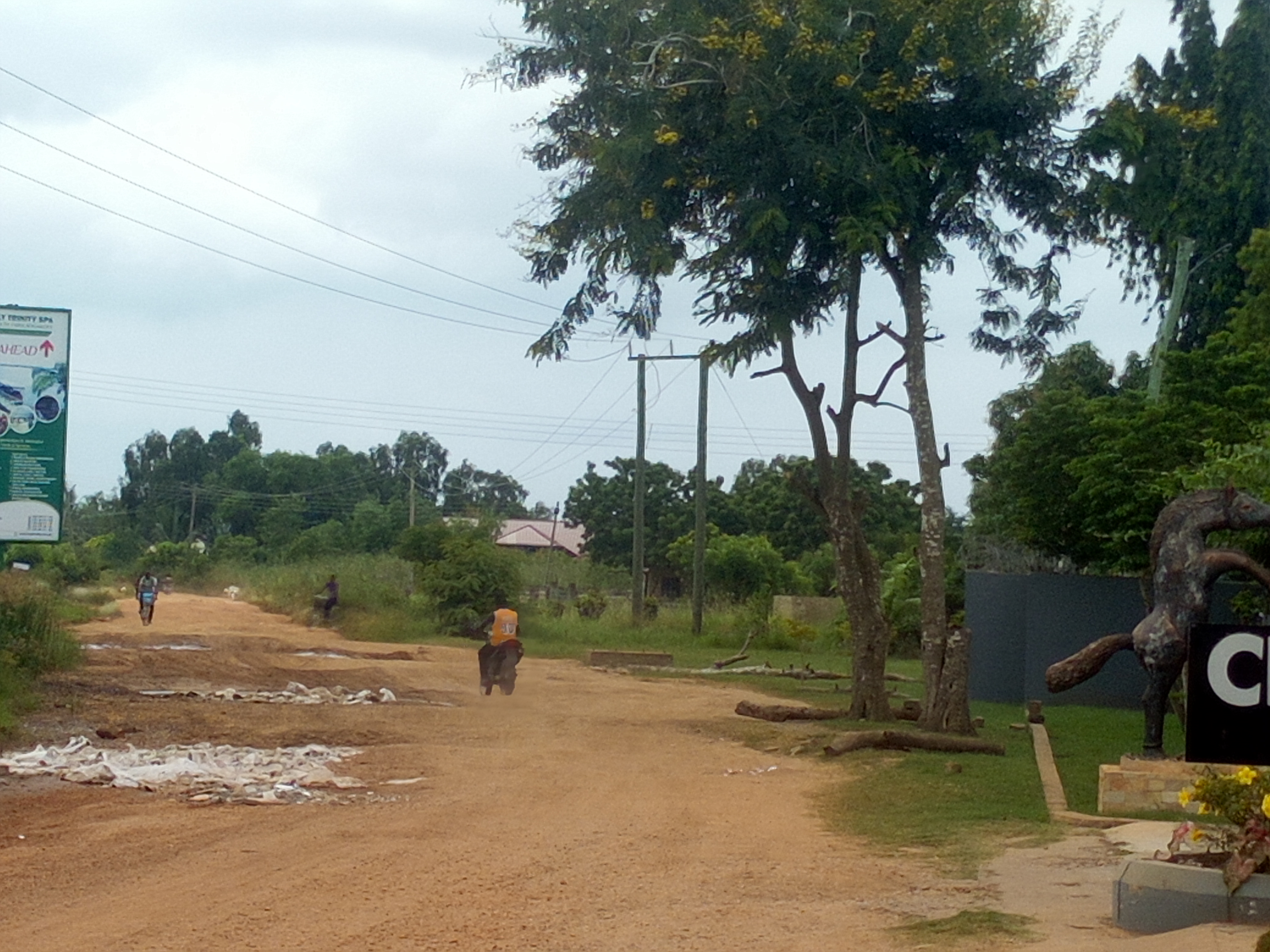
Poor state of the Hospitality Lane in Sogakope

By: Ewoenam Kpodo | Voltaonlinegh |

The Ghana Tourism Authority (GTA) under the auspices of the Ministry of Tourism, Culture and Creative Arts has declared September a Month of Tourism,  initiating a national theme, “See Ghana, Eat Ghana, Wear Ghana and Feel Ghana” to promote domestic tourism and encourage the culture of domestic travels among Ghanaians.

The Deputy Chief Executive, GTA, Eckow Sampson recently at a media briefing assured of government’s commitment to developing the tourism sector.

Mr. Sampson assuring Ghanaians of government’s plans to develop the sector which has great potentials to transform Ghana’s economy yet struggles to keep afloat the numerous challenges it is fraught with, is not enough.

This is because stakeholders in the tourism sector have encouraged successive governments to make efforts to upgrade and revamp many tourist destinations across the country but little or nothing has been done with the most energy expended on telling the citizenry plans of governments to develop the sector which have always remained on paper.

What Tourism Is

The Association of International Scientific Experts in Tourism (AISET) defines tourism as the sum total of the phenomenon and relationships arising from the travel and stay of non-residents in so far as this does not lead to permanent residency and is not concerned with any earning activity.

It can also be defined as a collection of activities, services and industries that delivers a travel experience, including transportation, accommodations, eating and drinking establishments, retail shops, entertainment businesses, activity facilities and other hospitality services provided for individuals or groups traveling away from home.

Tourism can be categorised broadly into domestic and international and further classified into Health Tourism-journeying to spend time to get well after an illness by combining medical exercise with holiday and rest, Sports Tourism- leisure activity associated with the watching of sports, Cultural Tourism, Social Tourism, Cult and Religious Tourism, etc.

There is direct satisfaction to individual tourists who experience enhancement of the overall and physical quality of their person, thus, contributing to their productivity.

Employment and wealth generation – This is by far the biggest gain of tourism to any host community, resulting in a boom in mostly unskilled form of employment such as selling food, retailing and other services.

Improved standard of living of the host community – As tourists spend money for services such as food and souvenirs which are locally provided, these monies then get back into the local economy and then used to better the living conditions of the locals.

Tourism Potentials in Ghana

Ghana, a country steeped in rich culture, abounds with tourist attractions ranging from historic coastal forts, to idyllic beaches, remote nature reserves full of exotic wildlife and bustling modern cities.

Mention can be made of notable tourist destinations such as Cape Coast Castle, Kakum National Park, Mole National Park, Larabanga Mosque, Boti Falls, etc.

The Volta Region, full of history, culture, scenery, wildlife and one of the friendliest people in Ghana boasts of popular tourist sites including the tallest mountain in Ghana, Afadjato.

There are also the Tafi Atome Monkey Sanctuary, Wli Falls, Fort Prinzenstein, Kalakpa Nature Reserve, Ghana’s cleanest beaches, Keta, home to the beautiful Aborigines Beach Resort among others.

There is no way one will talk of tourism and not mention the hospitality industry, a major player in the tourism sector. This is where Sogakope, the District capital of South Tongu in the Volta Region which is increasingly becoming synonymous to hospitality, comes in.

The Hospitality Industry in Sogakope

Sogakope is located on the international highway from Togo through Ghana to Ivory Coast.

Mostly known for its river tourism, thus, christened the “River City”, Sogakope is home to the Lower Volta Bridge (also Sogakope Bridge) which connects the capital to the neighbouring community, Sokpoe.

The Lower Volta Bridge is also the site for the famous Tortsogbeza, an annual festival celebrated by the people of Sokpoe town during Easter which involves diving off the bridge.

The river aside being endowed in the production of fish such as tilapia and fresh water clam locally called “adodi”, it also offers opportunity for a variety of water sports, wind surfing, water transport with Ghana Highway owned passenger boat plying Akuse-Ada-Foah stopping en route at Sogakope, Tefle, Agordomi, Sokpoe, Vume and Agave all in the district.

Sogakope is also known as the “Bread City” occasioned by the mass bread production in the town making most commuters plying the Accra-Aflao and Accra-Keta roads to usually stop over to buy bread and snacks.

It is arguably, the hospitality hub boasting of over ten finest hotels and resorts including the award-winning Holy Trinity SPA & Health Farm, luxurious Villa Cisneros, Shekinah Glory Hotel and Sogakope Beach Resort.

For the impact, majority of the employees at these places are locals. Also, tourists and visitors to the “Bread City” also patronise the bread and adodi among others, thus, injecting money into the local economy.

Hostilities of the Industry

In June last year, the then Minister of Tourism, Culture and Creative Arts, Catherine Afeku embarked on a tour to some tourists sites in the Volta Region including Wli Waterfalls and observed that the poor conditions there  were similar to other tourist sites across the country.

Of the poor conditions at the sites across the country, bad roads remain the biggest militating factor against the development of the sector. And instead of government officials taking steps to address the issues, they give promises which can best be described as empty.

Back in the “River City”, the story is same. Of the challenges confronting the hospitality industry, the issue of bad road stands tall. This is why.

The Sogakope-Gbenuakope road also known as the “Hospitality Lane” is concentrated with the industries. There are the Awoyo Resort, Villa Cisneros and Somewhere in Sogakope.

The rest are Holy Trinity SPA & Health Farm, Waterfront Paradise Resort and Sogakope Beach Resort.

The about 10-Km un-tarred road stretches from the junction after the Sogakope toll booth close to the South Tongu District Assembly linking the Dabala-Keta road through Gbenuakope.

This is the problem with the road. Any time there is a heavy downpour or during rainy seasons, that stretch of the road becomes an extension of the Volta River. It gets so flooded that commuters (unskilled swimmers) will need canoes to ply the road. “River City” indeed.

Imagine being a first time tourist seeking accommodation or visiting any of these beautiful places situated along the Volta River and the only way to get there is to either swim in the flooded and muddy water or wait for God knows how long for canoes to ferry you around.

The Seeming Unconcern

The industry players had one thing on their lips, “things are not right.” To them, after paying salaries of workers, utility (electricity and water) tariffs, unthinkable penalty rates, taxes (Environmental Protection Agency and Ghana Revenue Authority), “there’s virtually nothing left for you” to undertake other things including corporate social responsibility projects.

They said though the operating costs were worrisome, the bad nature of the road leading to their businesses was the real burden.

They lamented the inaccessibility to the places during rainy seasons and dust in the rooms during the dry season saying, these were negatively affecting their business.

According to the manager, Villa Cisneros, Francis Agbetawokpor, “we’re suffering” having to take care of the 30-year old 20-acre facility with electricity bills about GH¢19,000, GH¢22,000 per month among other statutory payments without the enabling environment like a good road for business to thrive.

Blaming it on failed leadership, Mr. Agbetawokpor wondered, “how does a contractor make a road from the main junction, Soccom area where the High Court is down in front of this area, go through SOGASCO and leave this road that goes to Gbenuakope and links Dabala?”

Reactions

District Chief Executive for South Tongu, Emmanuel Louis Agama acknowledged the problem with the road but mentioned that the assembly could not fix the road because a capital intensive project such as road construction was beyond its capacity.

Mr. Agama disclosed that the assembly had 2 months ago, appealed to the central government to grant a request for construction of a 20-Km township road and expressed hope that the request would be granted to enable work to start on the road.

The Volta Regional office of Feeder Roads responsible for maintaining such roads disclosed the outfit had commenced processes to that Sogakope-Gbenuakope Road tarred.

Operation Manager 3, Ing. Charles Nketsiah disclosed that officials had visited the road to gather needed information and that maintenance proposal had been sent to Accra for approval to set in motion processes for real construction work to start.

The Way Forward

Knowing the gains that can be derived from tourism – employing locals leading to improvement in living conditions resulting in the preservation of the natural environment and culture to attract more visitors for additional income which eventually benefits government for improved infrastructure and consequently development, government ought to take measures to revamp the sector.

As it is, good roads which remain top on the list of challenges hindering the realisation of full potential of the sector must be government’s priority.

Villa Cisneros Manager suggested that the authorities should construct the road through any mean and let government open a bank account and negotiate with the hotels along the areas to make monthly deposits of an agreed amount into the account for a number of years till government recoups the investment made in the construction.

In fact, government owes it a duty to ensure businesses thrive for only then will society and government itself benefit.

All the assurances and commitments are known to the citizenry but what is needed now is for governments to stop the lip service, get to work and make tourism attractive to reap all its benefits to help attain the Sustainable Development Goal 1 of “No Poverty” and who knows, the current government’s “Ghana Beyond Aid” may not remain just a mantra for long.

Source: www.voltaonlinegh.com

Sports Minister Inspects Ho Youth Resource Centre

0

By: Eric Eli Adzie | Voltaonlinegh |

Youth and Sports Minister, Isaac Kwame Asiamah together with some officials of the Ministry of Youth and Sports, National Youth Authority and the Volta Regional Minister has paid a working visit to the Ho Youth Resource Centre of Excellence.

The visit to the site on Saturday, September 7, marked Mr. Asiamah’s second at the site since the sod cutting for commencement of the project.

According to him, the inspection formed part of government’s efforts to ensure the project was being executed according to specification and to resolve issues confronting the construction.

The Minister expressed his gratification about the work done so far but bemoaned the slow pace of work done by the contractor, Wilkado Constructions Limited.

“Per the narrative of the site engineer, we have to get in touch with the contractor so that he can speed up the work here. I think he has been relatively slow and we are not happy about that development because we don’t owe him. So we expect him to speed up work here so that Volta Region will have a decent modern sports edifice.”

The inspection of the 65 per cent completed Ho Youth Resource Centre

When quizzed about the level of completion, Mr. Asiamah however stated that, although 65 per cent of work has been done so far, he has instructed that the contractor appear at the Ministry to answer questions on the slow pace of work.

While commenting on the importance of the project, the Minister commended government and expressed his optimism that lots of untapped talents would benefit immensely from the facility.

“We are committed, government is committed. We believe Volta Region has a lot of talents to develop. When this project is completed, we will have more individuals who can win medals for Ghana just as some athletes did at the just-ended African games,” he said.

Site Engineer, Lordson Asante reassured that all structural works had been completed except the roofing of the VIP stands which formed the first phase of the project.

The 10,000-seater ultra-modern facility, when completed will host a standard FIFA football pitch, an ICT centre, counseling centre, track and multi-purpose courts, athletics tracks, modern restaurant among other facilities.

Meanwhile, Volta Regional Minister, Dr. Archibald Yao Letsa was hopeful that the project would be completed by the end of the year.

Source: www.voltaonlinegh.com

Potable Water, a Scarce Commodity in South Tongu

0

By: Tabitha Kugbonu | Voltaonlinegh |

The decline in water quality endangers the health of humans as well as the ecosystem. Clean drinking water, hygiene, and sanitation plays important roles in maintaining health and is also vital for family well-being – controlling of enteric diseases and boosting child health.

The Goal No. 6 of the Sustainable Development Goals  (SDGs) states that, “As a country, we need to ensure availability and sustainable management of water and sanitation for all” indicating that access to water, sanitation and hygiene is a human right issue yet still some districts in Ghana are still finding it difficult to get safe water.

Although Ghana was able to achieve the Millennium Development Goal (MDG) on access to improved sanitation, the water resource is gradually becoming a scarce commodity in Ghana.

According to the Global Water Project forecast, six African countries including Ghana may experience water scarcity by 2025 mainly due to the expected rate of growth in population.

Former Minister of Lands and Natural Resource and currently the Minister of Energy, John Peter Amewu at the launch of Water for Rural Africa (WRA), a non-governmental organisation interested in finding a lasting solution to thousands of Ghanaians in dire need of access to potable drinking water on daily basis, indicated that there was the likelihood of Ghana importing water from other countries if measures were not put in place.

Currently, people travel long distances in order to have access to water. The people of South Tongu District in the Volta Region are among those people battling acute water shortage due to increase in population in the district.

South Tongu District

The district lies with the wet semi-equatorial and dry equatorial climatic zones, which are very good for livestock production and majority of residents in the district are known to be farmers and traders. It has Sogakope as its capital.

The main river in the district is the Volta Lake which runs along its western border. However, there are several streams including Chinni and Tordzi.

The district shares boundaries with Central Tongu, Akatsi South, and Anloga districts.

During the 2010 population census, it was revealed that, the entire population of residents in the district was 87,950 and out of that, women constituted 47, 931 while the men were 40,019.

Water Shortage

Good drinking water remains one major challenge residents in the district face making life unbearable for school children as well as women who struggle for water.

The affected areas in the district include Kpotame, Agorgbe, Fievie, Gonu, Agorkpo, Adutor and its surrounding areas. Though residents in these areas keep appealing to authorities for solution, their appeals have yielded no result.

Residents are forced to wake up in the middle of the night to fetch water from taps for storage which causes a lot of discomfort.

For others, they have no other alternative than to rely on wells, buy raw water from the river supplied by tricycle riders for domestic consumption which affects the health of the people.

Appeal for Water

Some school children expressed worry over the negative impact the water problem was having on them.

One of them, Grace Aglebe said the water challenge was affecting her study time and having a toll on the finances of her parents.

“I’m a pupil of Sogakope JHS A and I’m in Form 1. This is the time for me to start preparing myself for the Basic Education Certificate Examination (BECE) but I have to wake up in the middle of the night like 1am to fetch water till day break and this doesn’t give me enough time to rest well and prepare for school the following day and it’s affecting my performance in class.”

“We are also left with no other way than to fetch water from well and the water in there is hard so in the absence of the tap water, we buy sachet water for our domestic activities causing financial loss to my parents and it’s about time government did something about the situation,” she added.

A resident of Agorkpo New Town named Akos Attah also complained about the situation and called for help.

“I’m a nursing mother and my child is about two months old. I have to buy water from these vendors who distribute water with tricycles and sometimes if they don’t come early, I have to wait for them until they come before I can get access to water to be used in the house. So I’m therefore pleading with management of the District Assembly to find remedy to this situation.”

Some workers at Tefle-Agorgbe complained of similar challenges saying, we buy a gallon of water at a cost of Ghc 1 which is very, very expensive.”

Water Problem Explained

In reaction, the Management of the Ghana Water Company Limited (GWCL) South Tongu branch disclosed that the issue of water has to do with the increase in population of the district.

According to them, there is the need for expansion of the pipelines as the current 6-inch pipeline is not enough to transmit water to the increased population.

They said plans are underway for works to commence on the pipeline to end the water rationing which is aimed at ensuring equal access to potable water for the available consuming populace.

But they said they are hoping if the Sogakope-Lome Trans-Boundary Water Supply Project which aims at transferring water from the Volta River in Ghana (using Sogakope as the abstraction point) to Lome in Togo and serving all communities located along the Sogakope-Lome corridor comes to reality, the water needs of the people will be solved.

Some months back, the Member of Parliament (MP) for the area, Korbla Mensah Woyome, expressed worry over the persistent water problem in the South Tongu District saying, he made several attempts including writing proposals to government for a lasting solution without success.

Hon. Woyome believed the problem persists because of a reduction in the capacity of flow of water at the Agordome Water Plant established in 1998 coupled with an increase in population of the communities that the plant is expected to serve.

He said the same Agordome Water Plant supplies water to communities in Anloga District and Keta Municipality and to serve every community, the water is being rationed.

Potable water is a critical aspect of our lives and development as a country because it frees a number of people from water-borne diseases such as Cholera, Diarrhoea etc.

Let us join hands to save the situation and also make collective efforts to catapult us to the realisation of our freedom with respect to potable water availability.

 Source: www.voltaonlinegh.com

KRASEC D/A JHS Cries for Infrastructure

0

By: Benjamin Owusu | Voltaonlinegh |

The head teacher of KRASEC D/A JHS in the Krachi West District of the Oti Region, James Kwasi Owusu has called on government to expand infrastructure in the school in order to promote efficient teaching and learning in the school.

Speaking to Voltaonlinegh, Mr. Owusu said severe congestion in classrooms in the dilapidated structures was a huge bother and which was affecting not just the quality of teaching and learning but also always compelling the school authority to organise classes under mango trees.

The head teacher explained that apart from the enormous pressure on the limited structures, the school lacked a Science laboratory, library, furniture, Information and Communication Technology, textbooks  and other teaching materials.

He said the situation in the school was very alarming, thus, appealed to government, non-governmental organisations and philanthropists to come to the aid of the school.

A teacher in the school, Evelyn Dogo, reechoed the challenges and the attendant effects on teaching and learning in the school and called for help.

Some pupils who also spoke in an interview called on the authorities and corporate organisations to come forward and support the school.

Source: www.voltaonlinegh.com
Awoamefia Appointed Sole-Mediator in Bimbila Conflict

0
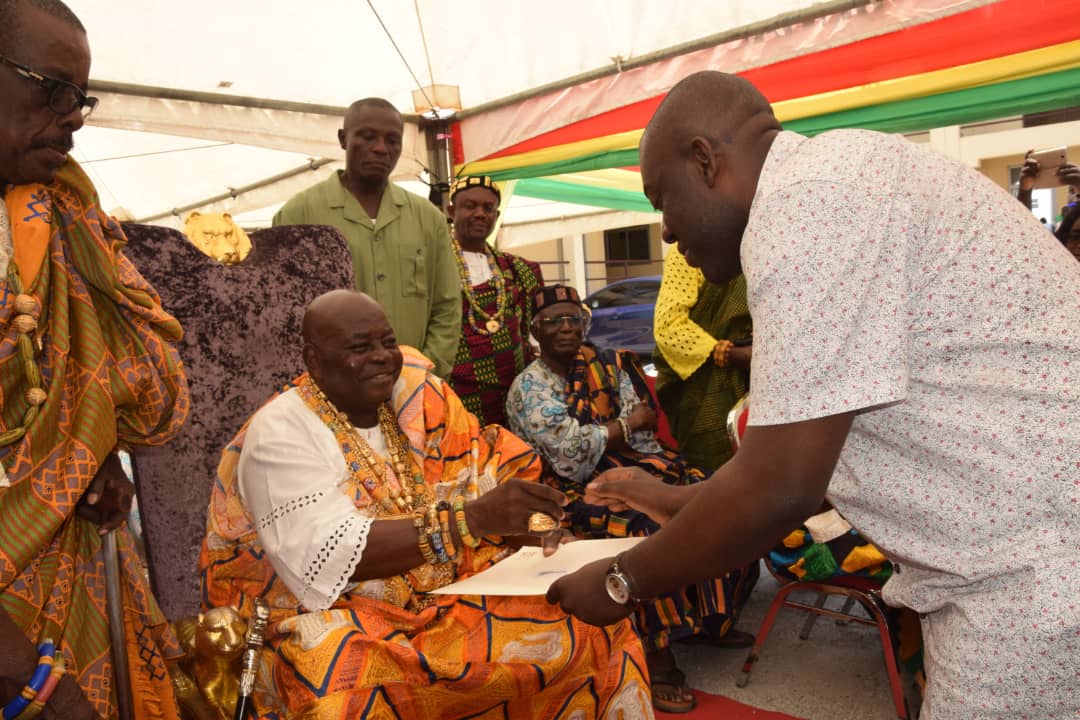
Min of Information, Kojo Oppong Nkrumah presenting the letter to Awoamefia

By: Ewoenam Kpodo | Voltaonlinegh |

The Awoamefia of Anlo State, Torgbui Sri III has received a letter from government appointing him the sole-mediator in the protracted chieftaincy conflict in Bimbila in the Nanumba District of the Northern Region.

By this appointment, Torgbui Sri III is expected to single-handedly find means (albeit legal) to settle the dispute and reach an agreement with the factions involved to accept the outcome of decisions.

The Bimbila chieftaincy conflict has been between the families of two rival chiefs, Naa Andani and Naa Salifu which has claimed about 20 lives since 2014.

The historic appointment given to the Awoamefia was a demonstration of government’s trust in the retired Commissioner of Police and who served as the Northern Regional Police Commander for years.

A section of government delegation to Anloga for the presentation on Thursday

Northern Regional Minister, Salifu Saeed on behalf of the Northern Regional Coordinating Council and the Nanumba Traditional Area, congratulated Torgbui Sri on his appointment and expressed optimism that he would bring his huge experience in peace, security and tradition to bear in resolving the conflict in the area.

Mr. Saeed believed that the Awoamefia would be able to mediate in the conflict because the people of Volta and Northern regions “are brothers and sisters.”

Minister for National Security, Albert Kan-Dapaah who was impressed with the credentials of Torgbui Sri especially in the area of peace brokering and conflict resolution said it was clear why President Nana Addo Dankwa Akufo-Addo appointed him the sole mediator against the norm of putting a committee in place.

Mr. Dapaah noted that the agelong Bimbila chieftaincy conflict had adversely affected development of the area and so, the President had directed him, (Mr. Dapaah), the Northern Regional Minister and the Minister for Chieftaincy and Religious Affairs to provide the needed support for Torgbui Sri to deliver on his appointment.

Volta Regional Minister, Dr Archibald Yao Letsa said the President had kept faith with the Anlo State by creating the Anloga District, and appointing the Awoamefia as the sole-mediator in the Bimbila conflict and expressed gratitude for the honour done the region.

Dr Letsa assured of his readiness to give the necessary support to Torgbui Sri to enable him succeed in bringing a lasting peace to Bimbila.

Torgbui Sri in a speech said the Anlo State had accepted the appointment and expressed appreciation to the President for the honour.

He said the appointment did not surprise him as he had had education in Conflict Resolution and Peace-Building and had practised same.

He concluded by requesting God’s wisdom and guidance in the discharge of his duty to bring peace to Bimbila.

Also present at the meeting of the Anlo Traditional Council for the presentation of the letter to the Awoamefia included Minister for Chieftaincy, Kofi Dzamesi, Minister of Information, Kojo Oppong Nkrumah, municipal and district chief executives for Anloga, Keta, Ketu South, South Tongu and Akatsi North.

Source: www.voltaonlinegh.com
Water in Ho after Fortnight of Shortage

0
File photo

By: Ewoenam Kpodo | Voltaonlinegh |

Residents of Ho, the Volta Regional capital are heaving a deep sigh of relief after water has begun flowing through their pipes signaling an end to about two weeks of water shortage in the township.

The water situation occasioned by broken down pipeline affected majority of residents who could not store enough water before the unexpected shortage forcing them to go for water from all unhygienic sources for use with others travelling long distances to neighbouring districts in search of water.

It was therefore like answered prayers when Ghana Water Company Limited (GWCL) by Wednesday, August 28, resumed water production and pumping to customers in Ho in fulfillment of a promise made by the company to ensure water got to the people on the said date.

On August 18, 2019 the company’s main transmission pipeline from the Kpeve Treatment Plant that serves the entire Ho Township gave way as a result of high tides and levels of the river at Akrofu in the Ho West District.

It took the sector Minister, GWCL in collaboration with other sectors to carry out repair works on the broken down transmission pipeline for a sustainable solution to the problem leading to the resumption of water supply to the Ho municipality.

Though the repair works on the pipeline at Akrofu to restore water to the people got completed, it started on a tragic note when one staff of the company was found dead in the process.

According to reports, three of the GWCL staff who were trying to fix the problem, jumped from the bridge into the river with only two coming back. It took the community members to organise a search party to retrieve the body of the missing person.

Source: www.voltaonlinegh.com
IGP Pays Tribute to Fallen Gallant Officers

0

By: Ewoenam Kpodo | Voltaonlinegh |

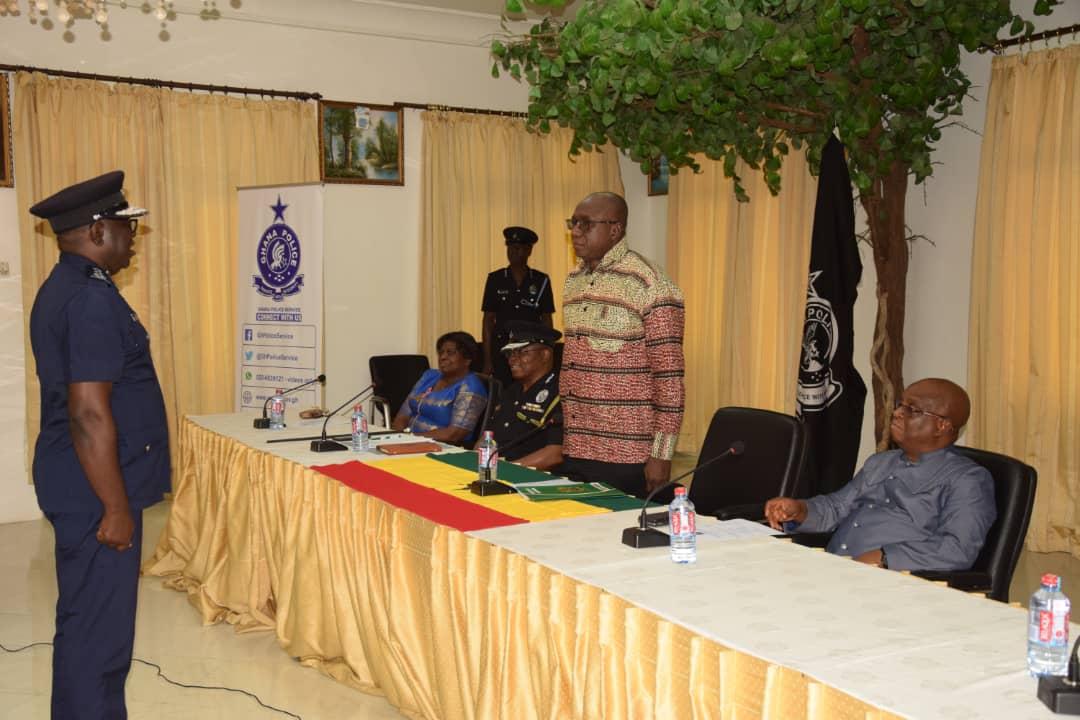
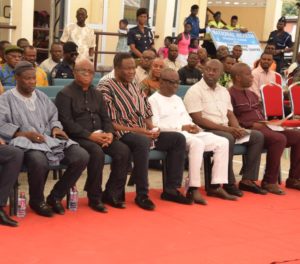
The Acting Inspector-General of Police (IGP), James Oppong-Boanuh has paid glorious tributes to the heroic officers who died serving the country and vowed the Service would take measures to protect lives of officers in their line of duty.

Acting IGP Oppong-Boanuh who condemned the recent killing of law enforcers praised officers who died through diligently discharging their duty to mother Ghana.

According to him, the Service and the country as a whole would always honour their memories for their selfless services in combating and preventing crime in the country.

He also disclosed that the Ghana Police Service had taken delivery of some 4,500 bulletproof vests to protect officers from the increasing attacks from criminals in recent times.

In a spate of one month, 5 police officers had been killed while discharging their duties with the latest one being the killing on Wednesday, August 28 of two officers at Kasoa Budumburam in the Central region.

Witnesses said suspected robbers in an unregistered blue-black Toyota Camry from an area called Kasoa-Vodafone headed the Ofankor Bawjiase road failed to stop at a police snap checkpoint for which the police gave them a chase.

The suspected robbers then opened fire killing the two officers, Sergeant Michael Dzamesi and Lance Corporal Mohammed.

About a fortnight ago, two police officers were killed in the Eastern and Ashanti regions in their line of duty.

Earlier, on July 30, 2019, occupants of a saloon car believed to be armed robbers dressed in military-like uniforms, shot and killed a policewoman who signaled them to stop on the Kumbungu road in Tamale.

The Acting IGP was on Wednesday, delivering his welcome address at the opening of the 2019 National Police Command Conference at Sogakope in the South Tongu District of the Volta Region.

The 3-day Conference themed, “Strengthening Discipline and Supervision for Effective Crime Control”, sought to enable the leadership of the Ghana Police Service and the Regional Commanders to meet and take stock of the vision and initiatives introduced into the Service and to map out strategies to effectively prevent, reduce and control crime.

Mr. Oppong-Boanuh encouraged officers to work effectively without fear assuring them that there would be continuous refresher courses to retool personnel in readiness to combat crime and advised the public to properly conduct themselves in the election year.

Interior Minister, Ambrose Dery pledged government’s support for the Service in crime fighting and called on personnel to disregard recent rumours on social media platforms of government’s decision to scrap the CAP 30 Pension Scheme.

Volta Regional Minister, Dr. Archibald Yao Letsa was happy for the choice of Volta Region for this year’s conference and underscoring the role of police and the need for peace and security, wished the Service a successful conference.

Source: www.voltaonlinegh.com