


BY: Daniel Orlando | VoltaOnline
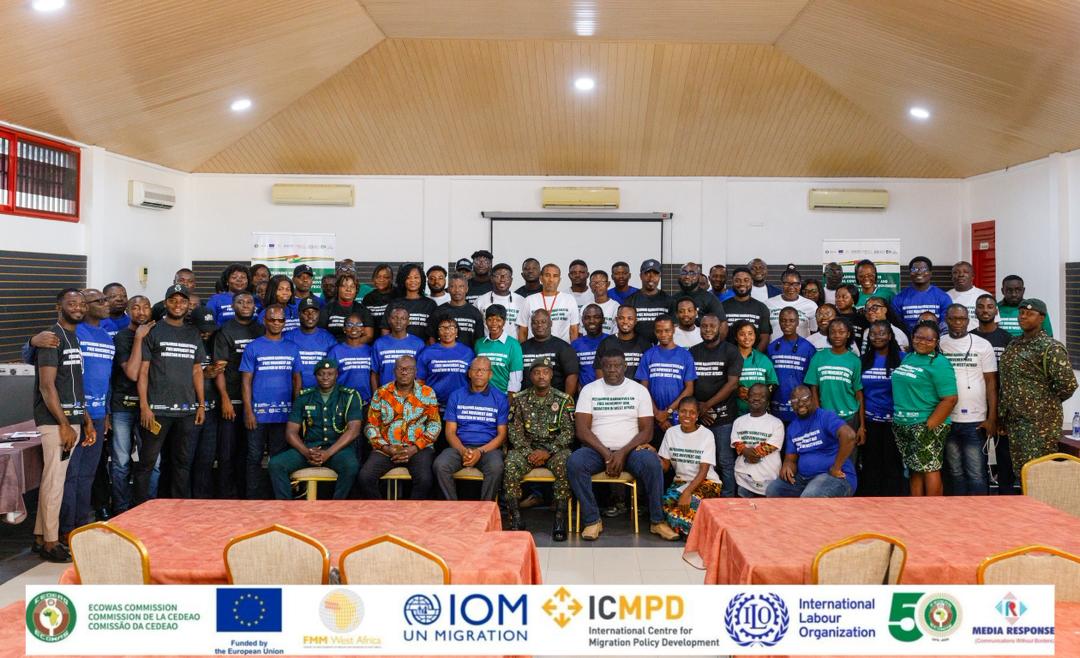
About one hundred media practitioners from the traditional and new media space in the Volta Region have received a one‑day intensive training aimed at reshaping public perceptions of migration and promoting accurate reporting on the Economic Community of West African States (ECOWAS) Free Movement Protocol.
Organized by Media Response on Wednesday, April 29, 2026 under the “Reframing Narratives on Free Movement and Migration in West Africa” project, part of the Free Movement and Migration (FMM) Phase II initiative, the workshop emphasized digital content creation and mini‑video blogging as tools for educating the public on migration and regional integration.
Deborah Enam Apetorgbor, Research and Communication Officer at Media Response, explained that the training seeks to bridge the knowledge gap surrounding the ECOWAS Free Movement Protocol, which remains poorly understood across the sub‑region. She outlined its three pillars: the right of ECOWAS citizens to enter another member state visa‑free for up to 90 days, the right of residence, and the right of establishment. “Many people are unaware of these provisions,” she noted, stressing the role of media professionals in helping the public appreciate the benefits of free movement.
Officials of the Ghana Immigration Service were also present and shared insights on the movement of ECOWAS citizens across the borders. They stressed the need for travelers to carry valid documentation and to respect both the tenets of the ECOWAS protocols and the immigration laws of member countries.
Dr. Harrison Kofi Belley, Volta Regional Chairman of the Ghana Journalists Association, commended Media Response for the initiative, describing it as a timely intervention that complements ongoing efforts to promote informed discourse on migration and regional integration. He emphasized the need for journalists and content creators to use digital platforms responsibly, noting that while public debate often highlights migration to Europe, the majority of West African migrants—about 72 percent—move within the sub‑region. He urged participants to apply their storytelling skills to foster balanced, factual, and ethical reporting that supports regional cohesion.
The Ho workshop follows a similar session in Takoradi in the Western Region, with Bolgatanga in the Upper East Region scheduled next. These locations were strategically chosen as major border regions. Beyond the training, Media Response will launch a public competition encouraging participants to produce compelling stories that reflect migration realities and counter misinformation. A 10‑week radio campaign in border communities such as Elubo, Aflao, and Paga will also feature immigration officers, traders, drivers, and other stakeholders, offering firsthand accounts of migration experiences.

