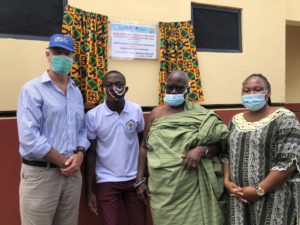
The Eastern/Volta/Oti Regional branch of the Association of Ghana Industries (AGI) has donated a cheque of GHc10,000 with other assorted items to support the fight against the Corona virus pandemic in the Volta region.
Mrs. Lucy Tenkorang, Vice Chairperson of the Association together with Mr. Dela Gbeve, an Executive Member of the Branch made the presentation to the Volta Regional Minister, Dr. Archibald Letsa at the premises of the Regional Coordinating Council in Ho on Wednesday.
She said the gesture was the regional association’s widow’s mite contribution towards the containment of the virus in the Region in spite of members being hardly hit by the pandemic.
Among the items donated were 15 rolls of paper towels, 5 boxes of surgical masks, 25 gallons of liquid soap, 10 boxes of hand sanitizers, and 20 packs of bottled water.
The rest includes 2 crates of Lucozade Energy Drink, 10 packs of bottled Malt, 2 Infrared Thermometers, 20 loaves of bread and 100 locally-made face masks.
On his part, the Regional minister, Dr. Letsa expressed delight about the gesture and thanked the AGI for complementing government’s efforts in these difficult times.
He noted that the items would be distributed to the UHAS COVID-19 Testing Centre, and the COVID-19 Treatment Centres among others.
Present at the brief ceremony were the Deputy Regional Minister, Rev. Johnson Avuletey; Chief Director of the Coordinating Council, Mr. Felix B. Chaahaah; Chief Executive Officer of the Ho Teaching Hospital, Dr. John Tampuri; and Director of Administration of the Ho Teaching Hospital, Mr. George Tetteh.
Officials of the electoral commission wait for voters at the Menji polling station, a ruling party stronghold, in the district of Tain in Accra January 2, 2009. Electors in the final constituency to vote in Ghana's presidential run-off delivered a further blow on Friday to the ruling party, which was already trailing narrowly in the election and boycotted the ballot. REUTERS/Luc Gnago (GHANA) - RTR2305T
By: Foga Nukunu |OPINION |
The Electoral Commission (EC) of Ghana on June 02 began the pilot voter registration across Ghana to test the potency of the registration kits.
This piloting exercise is happening just months into the Presidential and Parliamentary Elections Obviously, time is not the friend of the EC.
The widespread reports of breakdown of some machines and the duration it took for a prospective voter to register should be a warning to the EC. But there is even more.
As the electoral body prepares to embark on the nationwide voter registration five months into the 2020 general elections, some misguided or misinformed Ghanaians have started pointing figures at some Ghanaians calling them foreigners.
For instance, a cousin to the President of Ghana, Gabby Asare Otchere-Darko, a lawyer did not understand why Ketu South should record the highest voter population in Ghana.
You would agree with me that Ketu South (Volta Region) has always been the target of the New Patriotic Party (NPP) as Bantama (Ashanti Region) used to be the target of the National Democratic Congress (NDC).
When the target of a constituency intends to make citizens of Ghana look foreign, we must all rise up and defend ourselves.
Sadly, for political expediency, many supporters and sympathizers of NPP believe that Ketu South voter’s roll is populated by non-Ghanaians, thus, accept this unwarranted and unjustified attack on Ketu South.
Who is a Ghanaian?
Every Ghanaian citizen must know that s/he is a Ghanaian because the Constitution of Ghana says so. It is never by the word of a fellow Ghanaian. I will produce Article 6 of the 1992 Constitution:
Article 6(1) Every person who, on the coming into force of this Constitution, is a citizen of Ghana by law shall continue to be a citizen of Ghana.
(2) Subject to the provisions of this Constitution, a person born in or outside Ghana after the coming into force of this Constitution shall become a citizen of Ghana at the date of his birth if either of his parents or grandparents is or was a citizen of Ghana.
(3) A child of not more than seven years of age found in Ghana whose parents are not know shall be presumed to be a citizen of Ghana by birth.
(4) A child of not more than sixteen years of age neither of whose parents is a citizen of Ghana who is adopted by a citizen of Ghana shall, be virtue of the adoption, be a citizen of Ghana.”
The Citizenship Act, 2000 (Act 597) re-echoed what the Constitution says about who a Ghanaian is. I will produce the relevant portion of the ACT.
Section 1 of the Act provides that “Every person who on the coming into force of the Constitution was a citizen of Ghana by law shall continue to be a citizen of Ghana.”
Section 3 of the Act provides that a person born before 6th March 1957 is a citizen of Ghana by birth if—
(a) He was born in Ghana and at least one of his parents or grandparents was born in Ghana; or
(b) He was born outside Ghana and one of his parents was born in Ghana.
Section 4 of the same Act provides as follows:
(1) A person born on or after 6th March 1957 and before 22nd August 1969 is a citizen of Ghana by birth if—
(a) he was born in or outside Ghana and either of his parents, and also one at least of his grandparents or great-grandparents, was born in Ghana; or
(b) In the case of a person born in Ghana neither of whose parents was born in Ghana, at least one of his grandparents was born in Ghana.
(2) A person is not a citizen of Ghana for the purposes of subsection (1) of this section if at the time of his birth the parent, grandparent or great-grandparent through whom the citizenship is claimed has lost his citizenship of Ghana.
(3) A person born on or after 6th March 1957 and before 22nd August 1969 is a citizen of Ghana by birth if—
(a) He was born in Ghana and at the time of his birth either of his parents was a citizen of Ghana by registration or naturalisation; or
(b) He was born outside Ghana and at the time of his birth both of his parents were citizens of Ghana by registration or naturalisation.
Section 5— Persons Born on or after 22/8/69—Constitution 1969
A person is a citizen of Ghana by birth if he was born in or outside Ghana on or after 22nd August 1969 and before 24th September 1979 and at the date of his birth either of his parents was a citizen of Ghana.
Section 6—Persons Born on or after 24/9/79—Constitution 1979
A person born on or after 24th September 1979 and before 7th January 1993 is a citizen of Ghana by birth if—
(a) He was born in Ghana and at the date of his birth either of his parents or one grandparent was a citizen of Ghana; or
(b) He was born outside Ghana and at the date of his birth either of his parents was a citizen of Ghana.
Section 7—Persons Born on or after 7/1/93—Constitution 1992
A person is a citizen of Ghana by birth if he was born on 7th January 1993 or born after that date in or outside Ghana and at the date of his birth either of his parents or one grandparent was or is a citizen of Ghana.
Section 8—Foundlings
A child of not more than seven years of age found in Ghana whose parents are not known shall be presumed to be a citizen of Ghana by birth.
From the above provisions, it is lucidly clear that if one of your parents or grandparents is or was a Ghanaian, you are also a Ghanaian. It is immaterial whether one is born outside or inside Ghana.
Fogah Nukunu, The Writer
Can a Mother Transmit Citizenship to the Children?
Though our 1992 Constitution is explicit on this issue, some mischievous Ghanaians have deliberately set out to deprive some Ghanaians whose mothers come from Ghana of their citizenship.
This is exactly what happened to Bonito Olympio, one of the children of Sylvanus Epiphanio Olympio in Ghana.
The case went before an Accra High Court presided over by the then His Lordship Justice Wiredu who later became the Chief Justice of Ghana.
In that case, Mr Olympio received a letter from the Principal Secretary of the Ministry of Interior stating that his permission to remain in Ghana had been withdrawn and that he must leave within 48 hours.
Consequently, he brought an action seeking a declaration that he was Ghanaian citizen by descent, that he could not therefore be deported from Ghana and that he required no permission from the defendant in order to remain in Ghana.
A suspect in a murder trial at the Sogakofe High Court is said to be in a stable condition now at the Sacred Heart Catholic Hospital at Abor in the Keta municipality, after he reportedly cut off his manhood in a suicide attempt while in temporary custody at the Abor Police station.
The incident which occurred last Sunday nearly sent the 35-year-old Thomas Agbezuke to early graves if not for the timely response of the officers on duty at the time, one of whom was on routine monitoring of the cells and came across the suspect in a pool of blood.
According to a leaked Police Situational Report (sitrep) sighted by Volta Online, the incident occurred at about 11:00pm that fateful day when G/Cpl Emmanuel Kyei was going round to undertake routine checks on inmates in the cell.
Corporal Prince Dogbatse, Public Relations officer of the Volta Regional Police Command confirmed the incident and said, the suspect upon questioning later revealed that he use a piece tile which he managed to break off the floor tile of the cell for the act while the other inmates were asleep.
He however said the suspect was responding to treatment at hospital, adding that, a second charge of an attempted suicide would be leveled against him in addition his substantive case of attempted murder.
The Police spokesperson noted that the incident was an isolated one, as he assured that Police cells in the region remain safe for inmates, while all Police stations have been directed to heighten their alertness while other arrangements are employed to ensure safety and welfare of persons in their custody.
Background
Suspect Thomas Agbeuke, a native of Afife in the Ketu North municipality was originally being held at the Ho Central Prison on remand after he was charged with attempted murder of his own relative, one Francis Agbezuke as far back as May 17, 2017, thus three years ago.
According to Police information, Thomas had stabbed Francis who is believed to be his cousin in the stomach such that his intestines were gushing out. The suspect was then arrested by his own father and another relative, who handed him over to the Police. Francis has however survived the attack and is still alive and well.
The case has since been going through committal processes at the Sogakofe High Court while he was held in Prison custody at the Ho Central Prisons.
His last appearance before the court was on May 22, 2020 where the case was adjourned to July 1, 2020 when trial is expected to commence.
However due to the reviewed protocols at the Ho central prison on the back of the COVID-19 pandemic, Thomas could not be taken back into custody until he had been tested for virus and results proven negative.
This led to him being sent to the Abor Police station where the COVID-19 task force was contacted to take his samples for subsequent testing.
It was as a result of this temporary arrangement to contain the spread of COVID-19 in the prisons that gave the leeway to the suspect to have attempted taking his own life by using a piece of broken tile floor to cut his manhood.
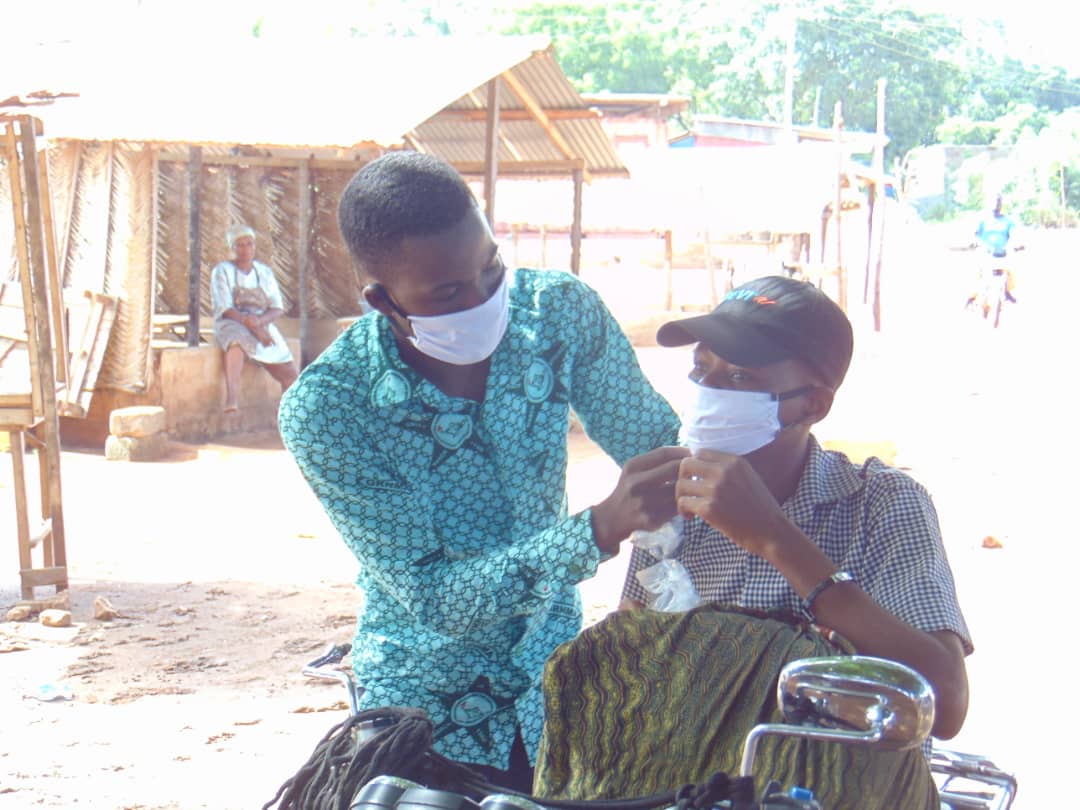
Courage Kwabla Babanawo, a nurse in the Ketu South Municipality has distributed 200 free nose masks to some residents in the municipality in support of the fight against the Covid-19 pandemic.
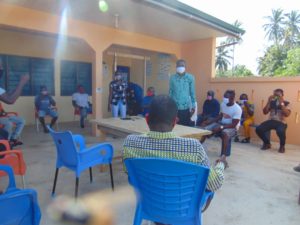
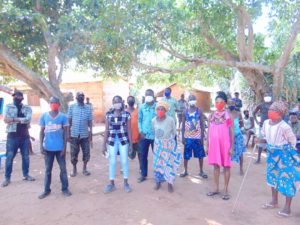
The exercise which took place in communities such Wudoaba, Korfeyia, Agbogbome and Tublukope, also saw the young nurse sensitised the residents on the preventive and social distancing protocols to contain the spread of the pandemic, which has so far affected some 30 persons in the municipality with 21 of them recovering.
According to him, the donation is his own way of supporting vulnerable persons who could not afford the nose masks amidst the Covid-19 pandemic.
“This is my very own support for persons who may not be able to buy the nose masks themselves. That’s just one of the ways they can be protected from contracting the virus and so, it’s necessary we help them,” he noted.
The beneficiaries expressed gratitude for the young nurse and urged him to continue with the initiative.
Some residents in the Ketu South municipality have called on the Electoral Commission to back down on its decision not to accept the existing Voter Identity card as a primary requirement for the new Voter registration exercise slated for the later part of June.
According to them, the EC’s stance to stick to Passport and Ghana Card as the only documents during the mass registration exercise ahead of the general elections in December this year, would disenfranchise many of them without such document.
Mr. Dan Jerry Sorokpo, a teacher told Volta Online sticking to these two national documents would mean majority of people might not get captured on the new voter’s roll to exercise their franchise in the upcoming elections.
He noted that, just a small fraction of people at Agbodokope, a salt mining community in the Nyekornakpoe Electoral Area, successfully registered and acquired the Card.
“My village has a population of 1,057 people but only 53 people representing about 0.5 per cent acquired the Ghana Card. The rest didn’t have birth certificate, driving license or passport required of eligible applicants. This has nothing to with their citizenship but they just lack the resources to acquire a birth certificate let alone a passport. And so, though they hold National Health Insurance and Voter’s ID cards, they couldn’t register.”
Mr Sorokpo therefore warned the EC against deliberately or mistakenly disenfranchising the people saying, the entire village would resist any such attempt to infringe on their rights by dragging the EC to court.
Assembly member for Nyekornakpoe Electoral Area, Prosper Atoklo said the issue of the Ghana Card registration went beyond just holding the required documents to include enough time and technical challenges saying, the whole exercise in the area was fraught with challenges.
“At almost every community in my electoral area, people were in queues for days but couldn’t register for the Card. If it’s not a problem with document, it’s with the machine or something else. People went to the centres with guarantors for days yet couldn’t get the Card. Even my wife and children couldn’t register. If we’re using that Card for the new register, people must be allowed to vouch for others unless the aim is to disenfranchise people.”
The electoral body has also stood it grounds despite calls from civil society groups, policy think tanks, and political parties against the intended compilation of new voter’s roll, describing it as unnecessary especially in the wake of COVID-19 and the restrictions it occasioned such as ban on public gatherings.
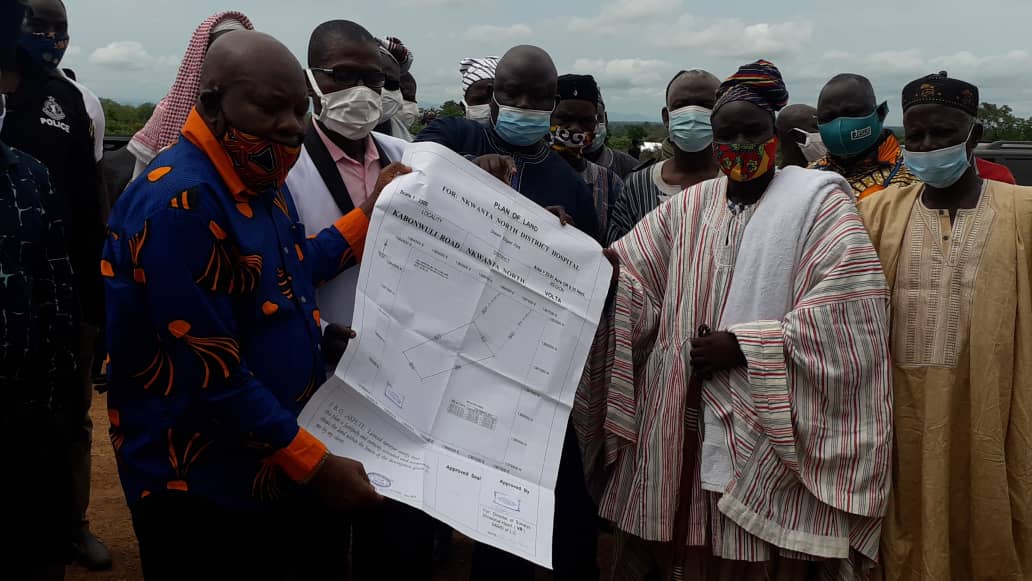
Some four Chiefs in the Oti region have released lands to the government to be used for the construction of Municipal and District hospitals in their respective areas.
The chiefs include Nana Akua Owupe, Kadjebi Akan Queen Mother, Ubor Konja Tassan VI of Kpassa in the Nkwanta North District, Nana Kanya Obrempong of Bejamese in the Krachi Nchumuru District and Nana Biyano Kwaku II of Dambai in the Krachi East Municipality.
They released the lands which runs into several acres in support of the 88 hospitals earmarked to be built across the country by the Nana Akufo-Addo led government as part of measures to transform and resource the health sector of the country.
Four of these hospitals are expected to be built in the Oti Region, specifically the four areas the lands have been released; to augment the existing hospitals in the region located in Worawora (Biakoye District), Jasikan, Nkwanta South and Krachi West District.
The traditional leaders described the initiative of the President as timely, adding that it will go a long way to reduce the disparity in quality health delivery in underdeveloped areas in the country, like the Oti region.
A Chief from Kpassa, Ubor Konja Tassan VI, in the Nkwanta North who spoke on behalf of his colleagues expressed excitement about the 88-Hospital initiative by the President and prayed that there will be enough commitment in ensuring the dream becomes a reality.
He said the region is predominantly a farming area which unfortunately has bad roads and lacks so many social amenities and support systems that affects the health and wellbeing of residents.
Hence, building a hospital facility will restore hope for children, pregnant women and other vulnerable groups who have to travel long distances on roads, sometimes at the peril of their lives and that of others to access health care.
The Kadjebi Akan Queen Mother, Nana Akua Owupe reiterated the call of the Chiefs that everything should be done to ensure the projects take off early and are completed on time.
The Oti Regional minister, Nana Kwasi Owusu-Yeboa who on receiving the lands on behalf of government, inspected same, was happy about the level of commitment shown by the chiefs.
He assured that government is committed to ensure that every Ghanaian irrespective of location or background gets access to the best of healthcare services. To this end the projects will all be completed promptly immediately they begin.
Some residents who spoke to Volta Online described the gesture of their Chiefs and the initiative of the government as a good show of generational leadership and hoped the partnership will continue till the projects are done; as the hospitals will be a great relief to them.
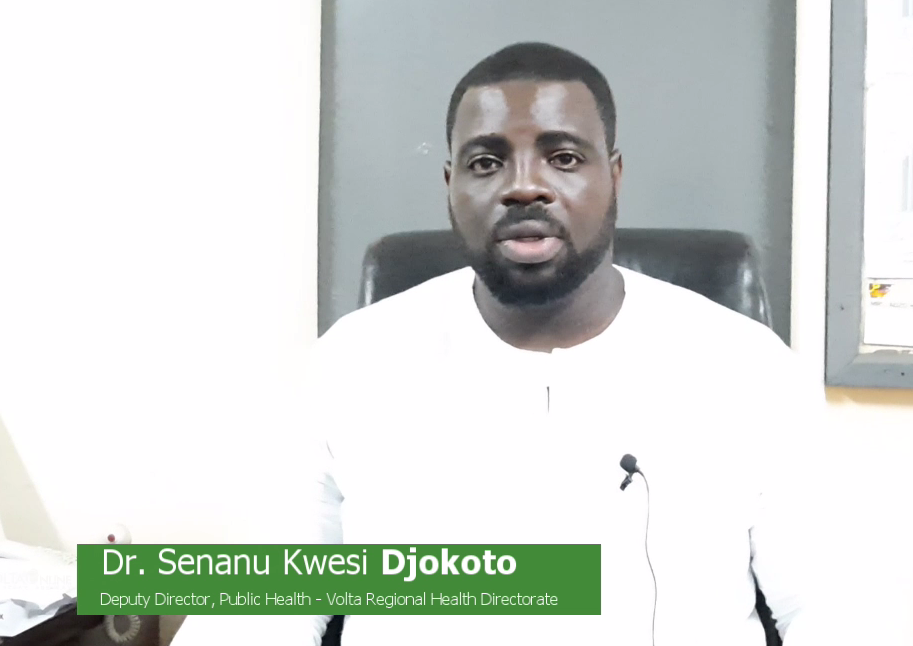
A total of 25 new COVID-19 cases have been confirmed in the Volta region in last five days, pushing the regional case tally from 59 to 84 as at Sunday, May 31, 2020.
These cases were confirmed in the Anloga, South and Central Tongu districts as well the Ho and Ketu south Municipalities, according to data from the Public Health Unit of the Regional Health Directorate.
While, the Anloga district has become the ninth out of the 18 districts in the region to have recorded the pandemic with two (2) cases, the Ho and Ketu municipalities recorded eight (8) and six (6) more cases to increase their tally to 23 and 32 respectively.
The South and Central districts also confirmed three (3) and six (6) more cases to increase their respective case counts to four (4) and eight (8).
Meanwhile recovery cases in the region have reached 35 as three more patients in Ho have fully been treated of the virus, leaving the active case count at 47 with two deaths.
Below is the break down of all the cases, Click on the Keys on the chart to see the corresponding figures.
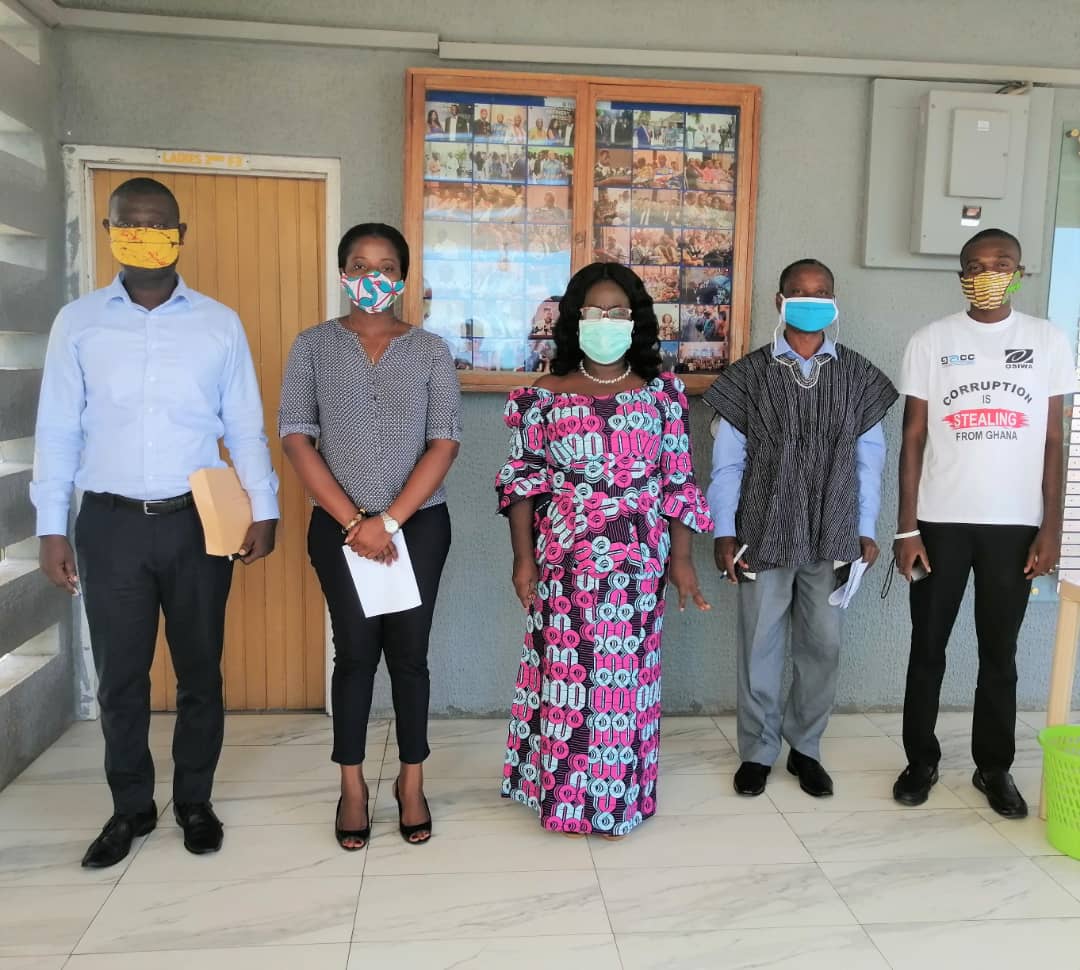
A project to push for the interest of Persons with Disabilities (PWDs) in the management of revenues from the country’s extractive sector has been launched.
The $100,000 project which is an initiative of VOICE Ghana, a disability focused national NGO headquartered in in the Volta Regional capital, Ho, is funded by the Africa Centre for Energy Policy (ACEP Africa), an organization, working to influence energy sector policies in Africa.
According to a release issued and signed by Mr. Francis Asong, Executive director of Voice Ghana and copied Volta Online, the focus of the one-and-a-half-year project was to ensure existing policies on resource revenue allocations from the extractive sector were reviewed to the benefit of persons with disabilities.
The project will be implemented in four carefully selected districts with extractive industries or activities across the Western, Ashanti, Eastern, Central and Volta regions.
About Voice Ghana
VOICE Ghana plays active and leading role in disability policy advocacy, and inclusive governance for persons with disabilities in Ghana. The organisation has a corporate brand as the VOICE that SPEAKS for the marginalised persons with disabilities in our society.
“It will also sensitise persons with disabilities, especially from the implementing districts, on resource revenues management in the country such as revenues from the mining and extractive industries including the oil and gas sector. They will also be empowered to start demanding benefits from these revenues to address their needs, aside the mandated 3 per cent Disability Grant from the District Assembly Common Fund,” the release stated.
The Deputy Western Regional Minister, Madam Eugenia Gifty Kusi, the release noted, lauded the idea for review of existing policies on resource revenue allocations from the extractive sector as part of the project, to also benefit persons with disabilities.
Mr. Eric Kwakye Darfour, the Eastern Regional Minister, who also expressed his full support for the project, entreated VOICE Ghana to consider undertaking baseline survey as part of the project, to identify the needs of persons with disabilities, so as to develop future proposals in supporting their livelihoods.
Nana George Frimpong, the Central Regional President of Ghana Federation of Disability Organisations also threw his support behind the project and was optimistic, it would go a long way to support persons with disabilities in accessing additional funding for their livelihoods, apart from the mandated 3 per cent District Assembly Common Fund.
Other key collaborators of the project include, the Ministries of Energy, Finance, Lands and Natural Resources, as well as Ministry of Gender, Children and Social Protection, Petroleum Commission, Minerals Commission, National Council on Persons with Disabilities (NCPD), and Ghana Federation of Disability Organisations (GFD).
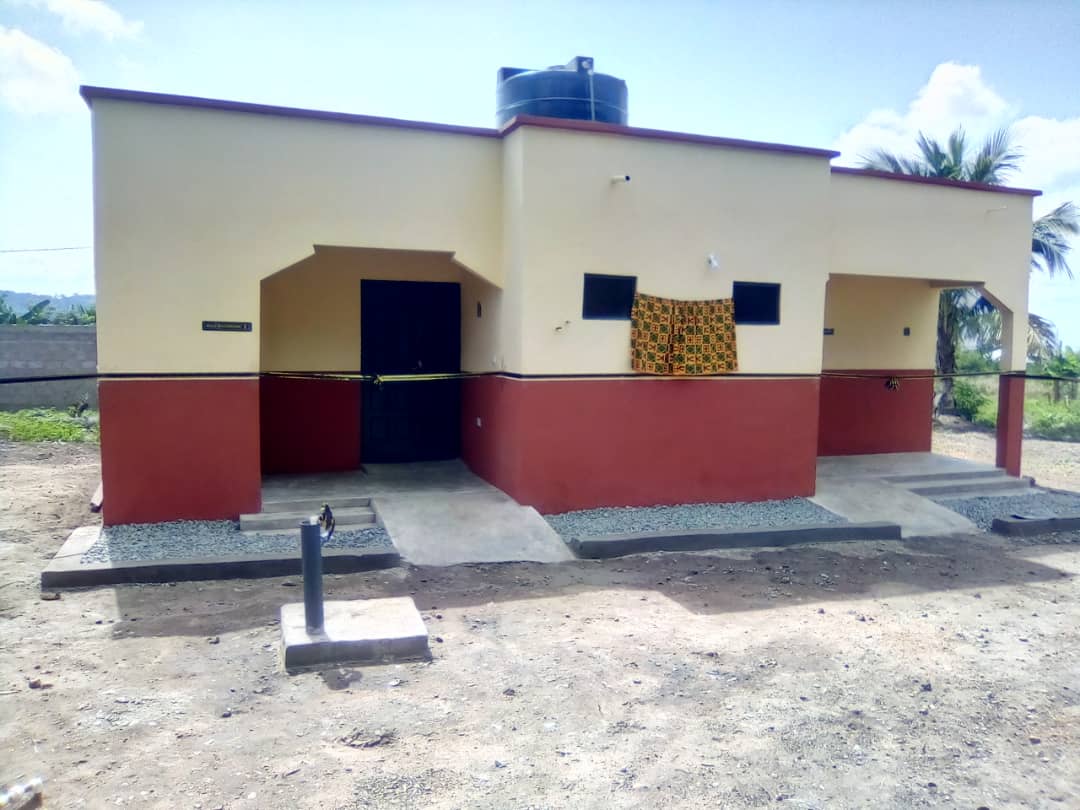
The Mental Health and Well-being Foundation, a non-governmental organization has handed over a fully furnished 10-seater modern toilet facility to the Cured Leper’s Village at Godokpe in the Ho municipality.
The project, funded by the Australian High Commission in Ghana, was to address the insanitary condition in the village which was due to the absence of a decent place of convenience for the inhabitants, who are mostly poor aged cured lepers and their dependents.
Speaking at the commissioning ceremony on Tuesday, May 26, 2020, Mr. Divine Kporha, Project Manager of the Foundation said the NGO initiated the project as part of its objective of bridging the inequality gap in society through the provision of basic amenities for marginalized groups.
He added that the project was therefore in line with United Nations’ Sustainable Development Goals (SDGs); Goal 3, 6 and 10, which focus on good health and well being, clean water and sanitation as well as reduced inequalities respectively.
Mr. Kporha also extended his outfit’s appreciation to the benevolent individuals and institutions that supported the project in diverse ways.
‘Our profound gratitude goes to the tax payers of Australia, the University of Newcastle, University of Health and Allied Sciences Ho, Prof Chris Kewley, Prof Mike Hazelton, Dr. Francis Acquah, Dr. Gina Teddy, Lawyer Kwabena Adjei among a host of others for their support towards the completion of the project.’
On his part, Australian High Commissioner, Andrew Barnes said the High commission was proud to have been associated with project, which would bring respite to the beneficiaries and also go a long way to improve their well being.
The facility, he added marked the end of his 4-years tenure as the High Commissioner to Ghana and expressed hope that the relationship established would continue to bring inure to the benefit of the people of Volta Region and beyond.
He however admonished the beneficiaries of the project to ensure strict maintenance of the facility for it to last its lifespan.
Togbe Afele II, Divisional Chief of Ho-Hliha, who donated land towards the project, lauded the intervention of the Mental Health and Well-being Foundation and its partners for helping to end the several years of open defecation in the community, which he noted would see to the reduction of sanitation related illnesses among the community members.
The ceremony was climaxed with a presentation of COVID-19 relief items to the cured lepers, who have also been hardly hit by the impact of the global pandemic.
The items sponsored by Dr. Francis Acquah, President of the Foundation include food stuff, nose masks and hand sanitizers.
Some of the beneficiaries, who spoke to Volta Online after the commissioning, invoked tons of gratitude and blessings on the NGO and its partners for addressing one of their major plights in the community.
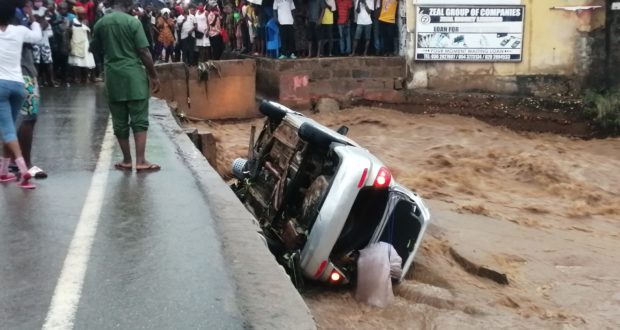
Three persons were trapped in a Toyota Salon car when the vehicle got plunged into a storm drain during a downpour in Ho Thursday afternoon.
The driver, according eyewitnesses attempted to maneuver the vehicle through flood waters on the bridge near Amegashie house, along the OLA Traffic intersection – Market road, but got over powered by the high current, resulting in the accident.
The occupants were however rescued by some ‘brave’ onlookers, who handed them over to the Ambulance Service for onward transportation to the hospital.
A team of personnel from the Ghana National Fire Service were also at the scene to retrieve the vehicle from the drain.
Meanwhile, the Municipal Chief Executive, Mr. Prosper Pi-Bansah has toured some parts of the municipality to assess the aftermath of the torrential rains, which flooded several areas as well.