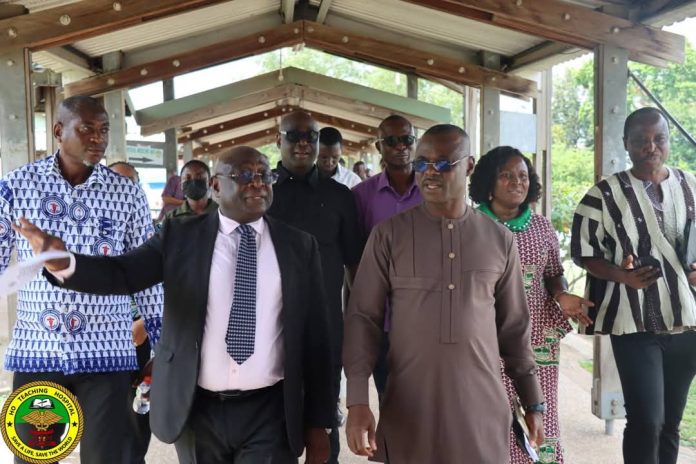
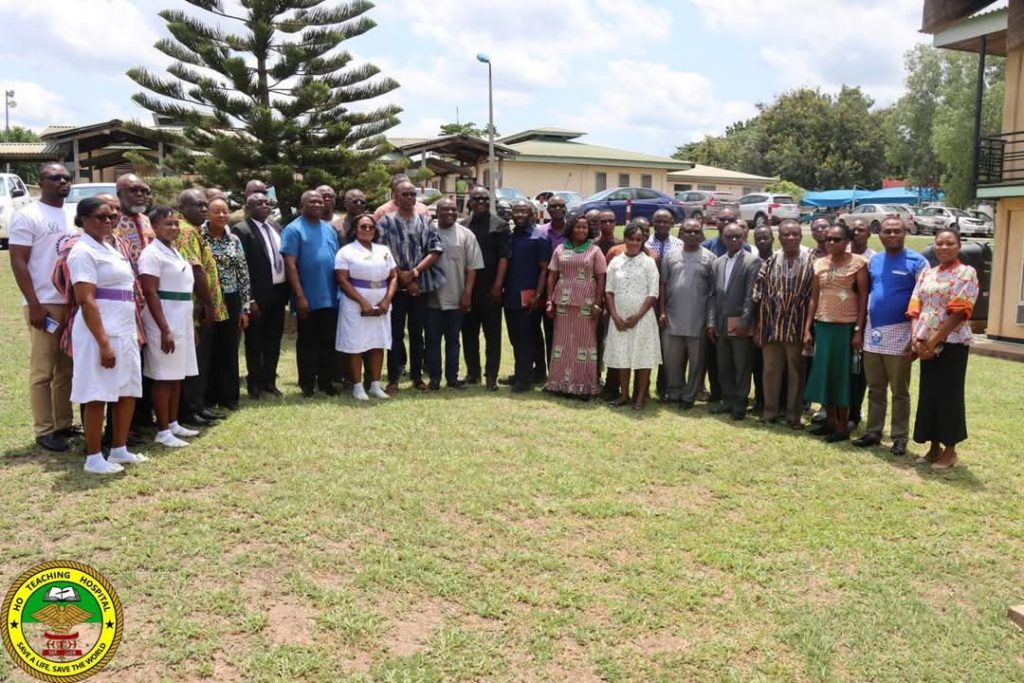
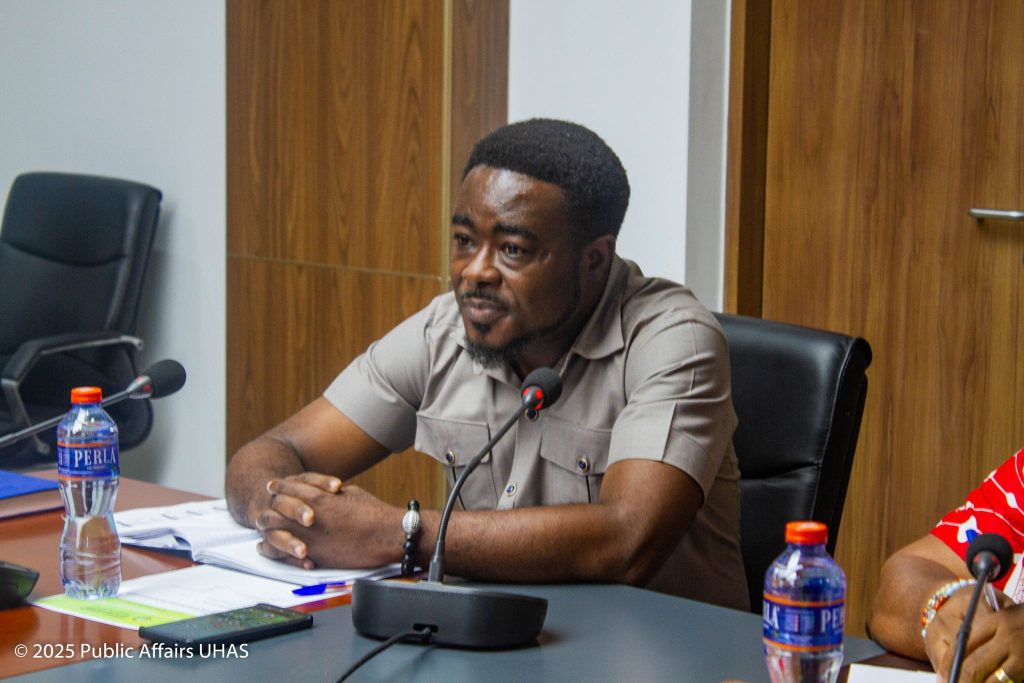
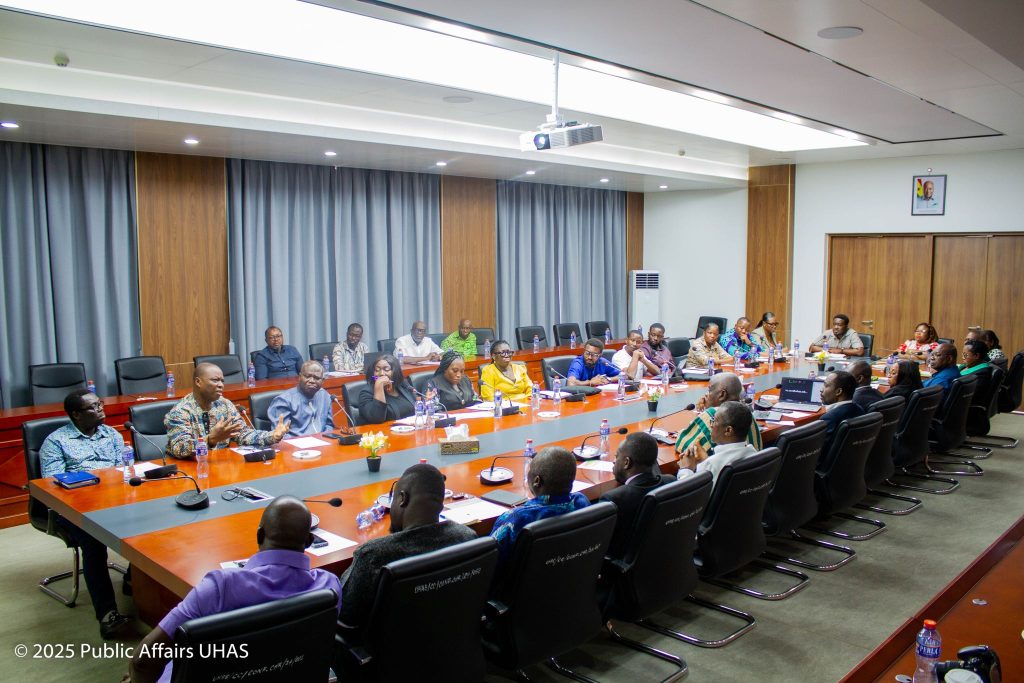
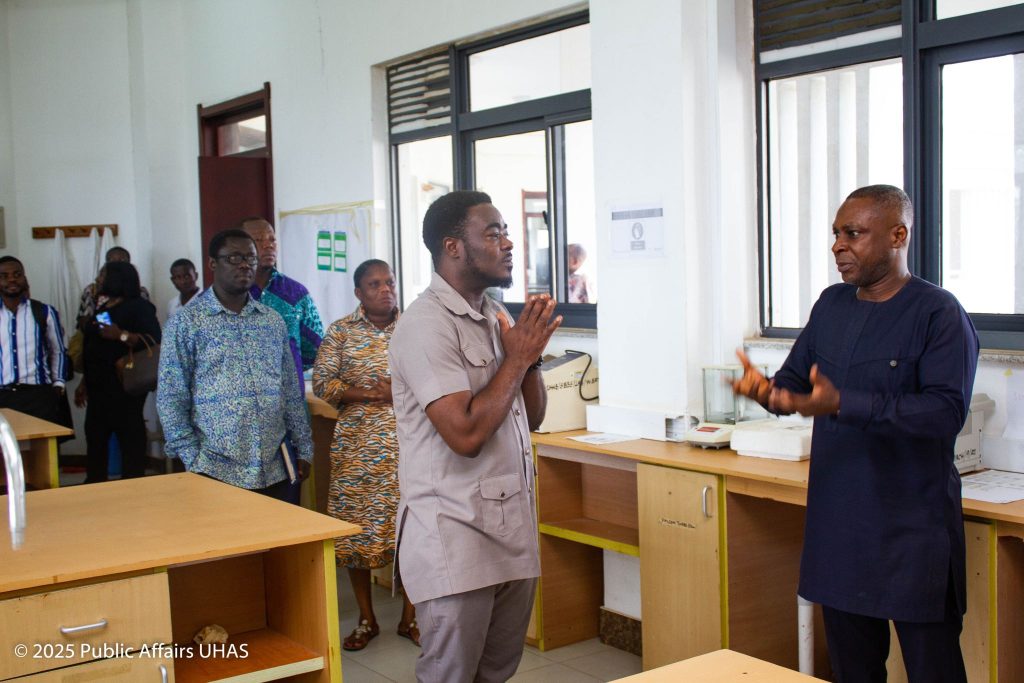
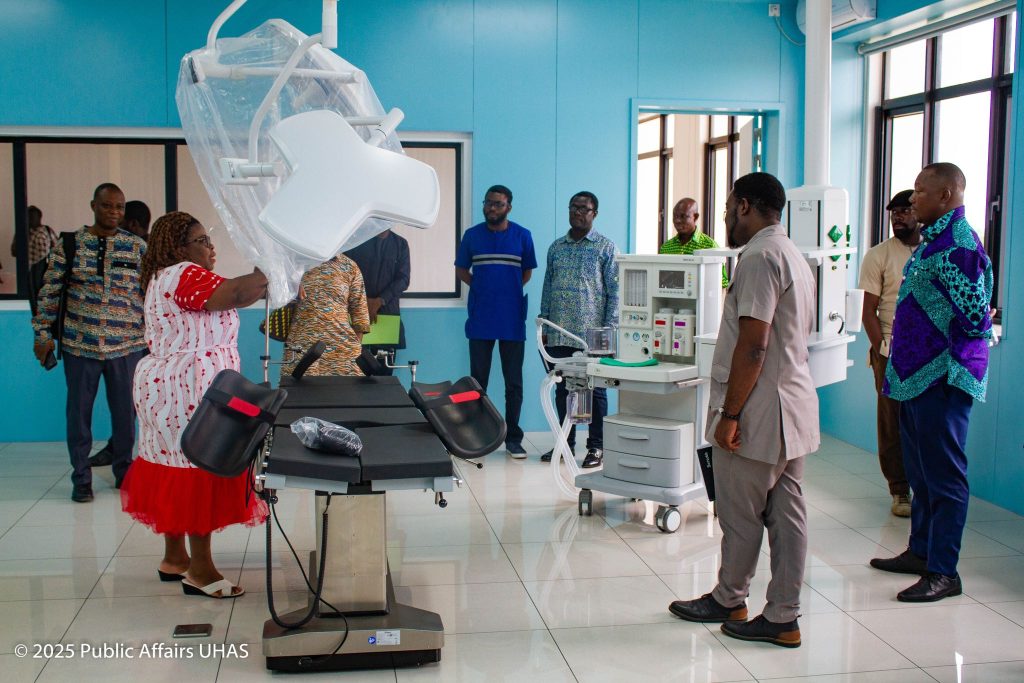
A delegation from the Parliamentary Select Committee on Health has paid a working visit to the Ho Teaching Hospital, reaffirming their commitment to improving healthcare delivery in the country.
Led by Dr. Thomas Anabah, MP for Garu, the team interacted with staff and patients while inspecting various projects undertaken by the hospital using internally generated funds (IGF).
These projects include the newly commissioned Family Health Centre, a CT Scan building, a 24-hour Pharmacy Complex, additional consulting rooms for Psychological Medicine, and a Dialysis Unit. The delegation also inspected the ongoing expansion works for the Accident and Emergency Unit, courtesy of the MTN Foundation.
The team expressed satisfaction with the hospital’s use of IGF, commending the management and staff for their dedication to providing quality healthcare services. However, Dr. John Tampuori, CEO of the Ho Teaching Hospital, highlighted the hospital’s challenges, including growing patient load, overcrowding, and rising mortality rates.
Despite these challenges, Dr. Tampuori emphasized the hospital’s commitment to becoming a leading medical hub in Ghana and appealed to the parliamentarians to advocate for a stronger tertiary policy for teaching hospitals and medical tourism.
In response, the Parliamentary Select Committee on Health pledged to support the retooling of public health facilities across Ghana.
Hon. Charles Agbeve, MP for Agotime-Ziope, reaffirmed the government’s commitment to the 500-bed facility expansion at the hospital, which will enhance healthcare delivery and promote medical tourism.
The delegation included Hon. Thomas Anabah (Garu), Hon. Akwasi Acquah (Akyem Oda), Hon. Charles Agbeve (Agotime-Ziope), Hon. Prince Arhin (Mfantseman), Hon. Alex Hottordze (Central Tongu), Hon. Mohammed Abdul-Khaliq (Nanton), and Hon. Kwame Gakpey (Keta).
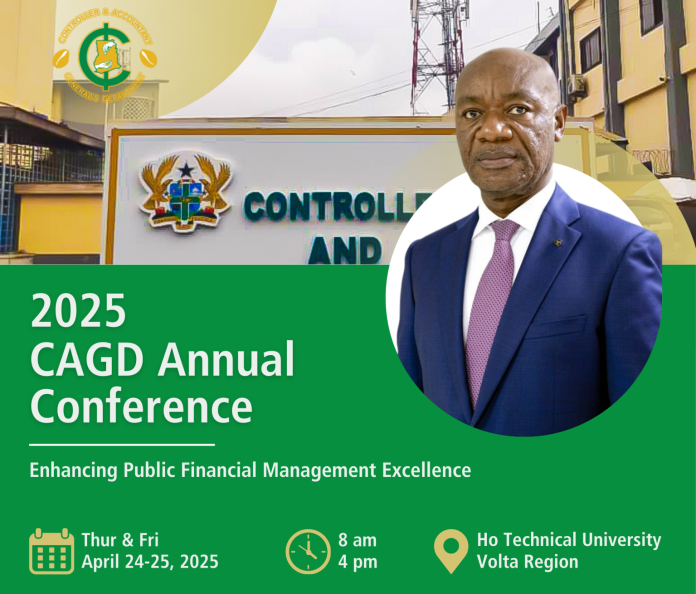
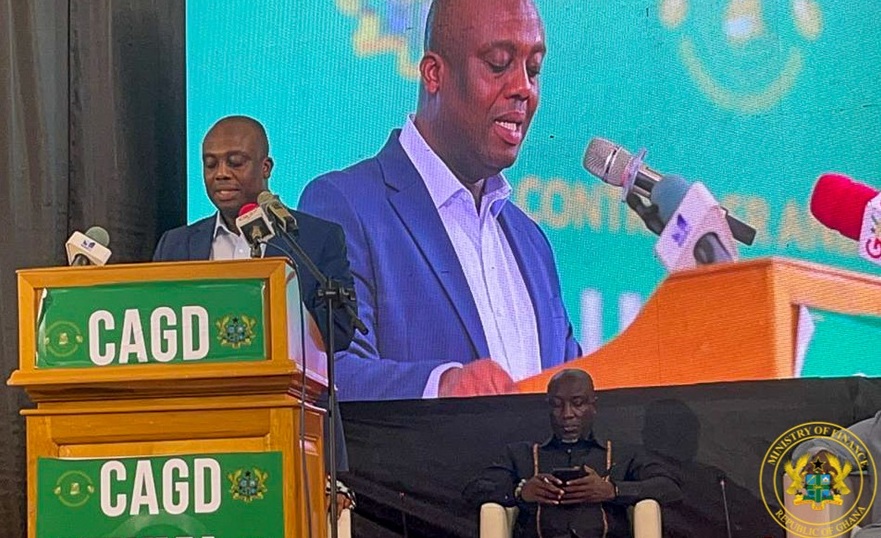
The Controller and Accountant-General’s Department (CAGD) held its 2025 Annual Conference at Ho Technical University, bringing together stakeholders to discuss enhancing public financial management excellence.
The conference, themed “Enhancing Public Financial Management Excellence,” provided a platform for the Department to highlight its commitment to transparency and accountability in public financial management.
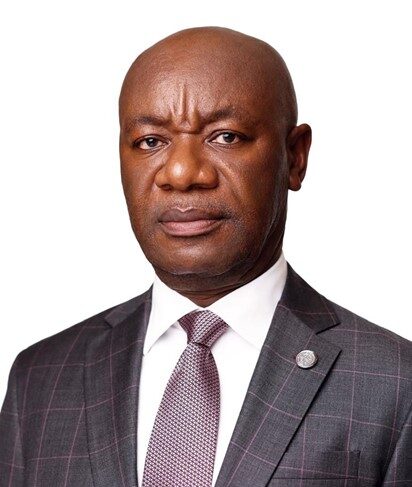
In his address, the Controller and Accountant-General, Mr. Kwasi Agyei, reaffirmed Ghana’s commitment to enhancing public financial transparency and accountability through the full implementation of the International Public Sector Accounting Standards (IPSAS). He underscored the Department’s significant progress in modernizing Ghana’s financial reporting systems, which has improved the quality and scope of reporting in traditional areas such as Revenue, Expenditure, Assets, and Liabilities (REAL).
The Controller & Accountant General
Mr. Agyei also emphasized the importance of integrity, transparency, and professionalism in public financial management as a foundation for sustainable national development. He acknowledged the Department’s responsibility in safeguarding Ghana’s public finances, especially in the face of rising expenditures and global economic uncertainties.
On his part, the Deputy Minister for Finance, Hon. Thomas Ampem Nyarko, unveiled bold public financial management reforms aimed at strengthening fiscal discipline and promoting efficient resource use. The reforms include the amendment of the Public Financial Management Act and the Procurement Act to align with international best practices, improve efficiency in public spending, and close loopholes that have enabled mismanagement of funds.
He noted that, a new fiscal compliance framework will also be operationalized to introduce stricter monitoring and reporting mechanisms, while, the government will undertake a comprehensive audit of existing financial commitments and arrears to establish the true extent of public liabilities and ensure accurate fiscal planning.
The government, the Deputy Minister stated, will also enhance oversight of State-Owned Enterprises (SOEs) and public investment projects, involving tighter scrutiny of project implementation and performance. Furthermore, Technology-Driven Solutions will be implemented to improve accountability and fiscal efficiency, including the full integration of the Ghana Electronic Procurement System (GHANEPS) with the Ghana Integrated Financial Management Information System (GIFMIS).
The conference provided an opportunity for stakeholders to reflect on the importance of sound public financial management in promoting sustainable national development.
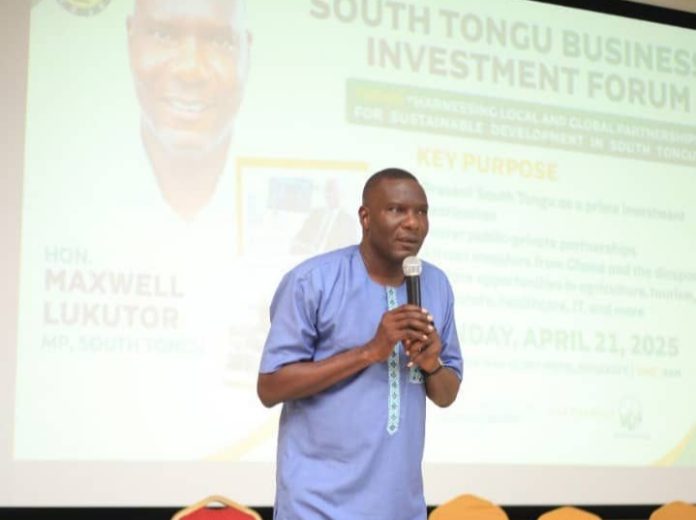
Hon. Maxwell Kwame Lukutor, Member of Parliament for South Tongu, has launched a bold initiative to transform the district into a hub for sustainable development.
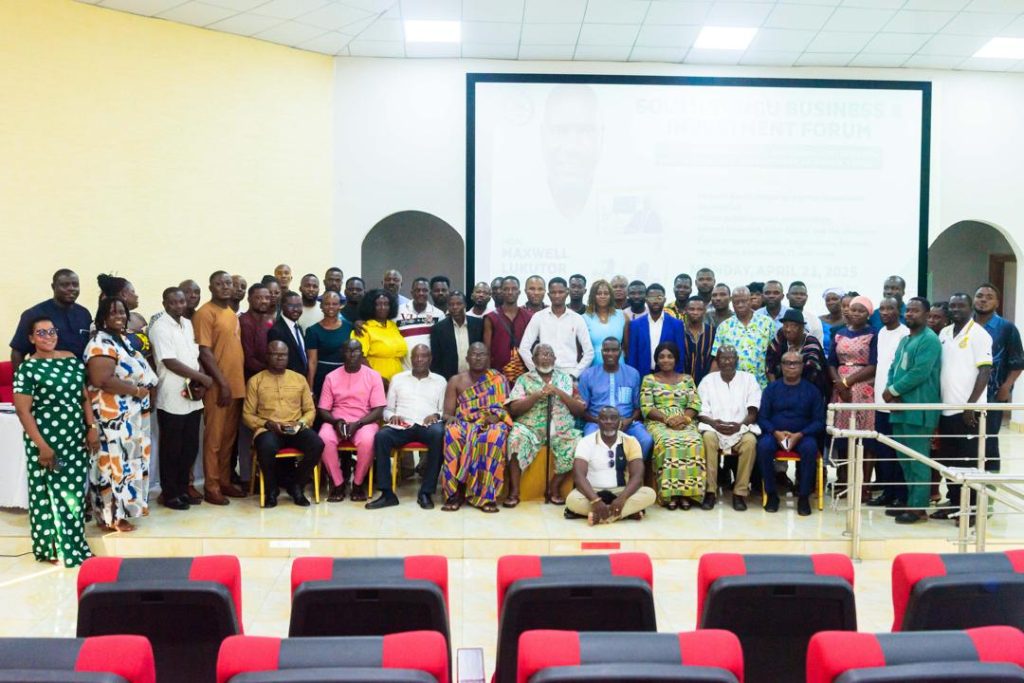
At the South Tongu Business and Investment Forum, held at the Shekinah Royal City in Sogakofe, he unveiled ambitious plans to harness local and global partnerships under the theme “Harnessing Local and Global Partnerships for Sustainable Development in South Tongu.”
Addressing stakeholders, Hon. Lukutor outlined South Tongu’s potential, emphasizing its fertile agricultural lands, natural resources, strategic location, and rich cultural heritage. He called for decisive action and collective commitment to unlock the district’s promise, declaring, “South Tongu is ready for business and partnerships that can drive sustainable development.”
The forum served as a platform for exploring investment opportunities across key sectors, including tourism, agriculture, education, manufacturing, healthcare, and the digital economy.
Participants learned about plans to develop eco-tourism along the Volta River, expand agro-processing industries, establish vocational training centers, create industrial parks, upgrade healthcare facilities, and promote e-commerce platforms.
One of the event’s highlights was Hon. Lukutor’s announcement of a modern stadium facility for South Tongu, to be built under a public-private partnership (PPP) with The Oxygen Group Capital.
The stadium is expected to boost sports development, nurture local talent, and enhance the district’s profile.
Hon. Lukutor appealed to government agencies, private investors, local entrepreneurs, and the diaspora to join forces in driving South Tongu’s development agenda.
The forum concluded with optimism as stakeholders committed to partnerships that would shape the district’s future.
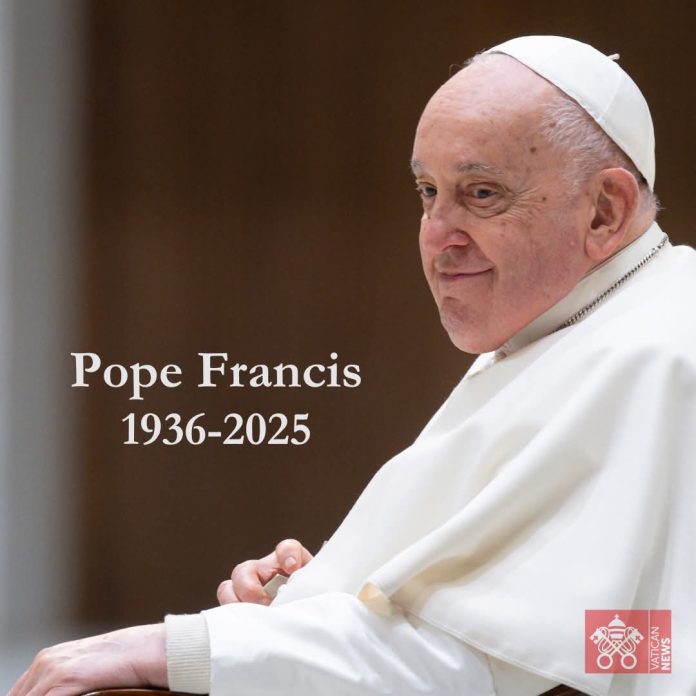
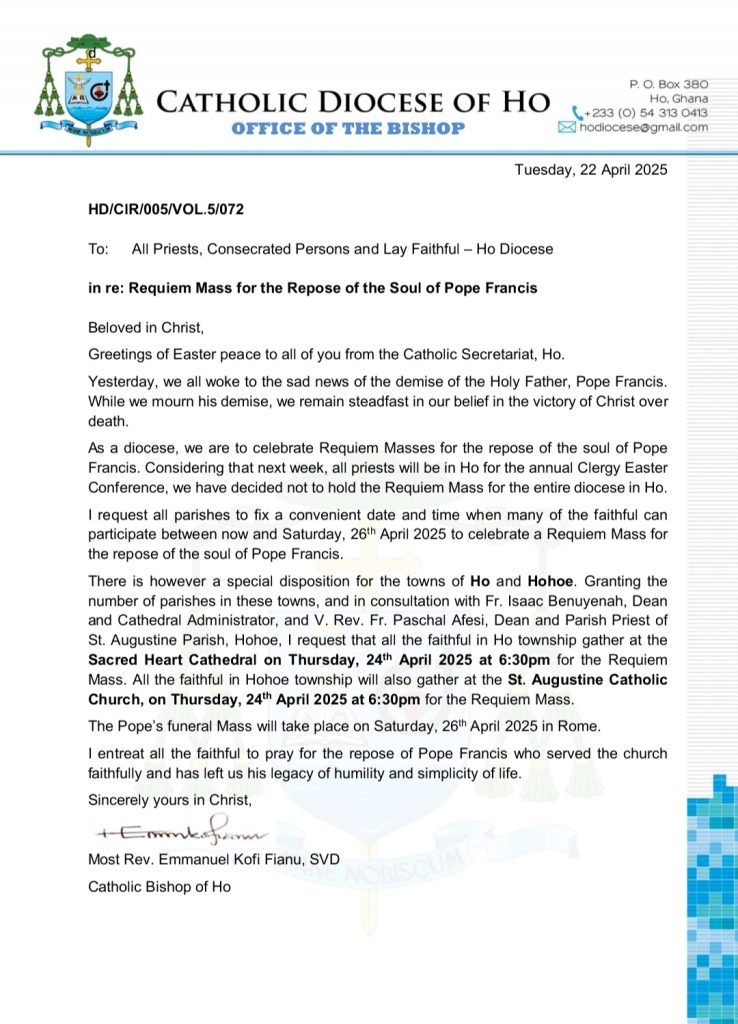
The Most Rev. Emmanuel Kofi Fianu, SVD, Catholic Bishop of Ho Diocese, has directed all parishes within the Diocese to organize Requiem Masses for the repose of the soul of the late Holy Father, Pope Francis.
This announcement follows the sad news of the Pope’s passing on Monday, April 21, 2025.
Acknowledging the Pope’s humility and commitment to the Church, Most Rev. Fianu noted that these Masses should be scheduled at a convenient time before Saturday, April 26, 2025, to allow the faithful to participate fully.
In special arrangements for the Ho and Hohoe townships, a central Requiem Mass has been planned as follows:
Ho: Sacred Heart Cathedral, Ho-Bankoe, on Thursday, April 24, 2025, at 6:30 PM.
Hohoe: St. Augustine Catholic Church, Hohoe, on Thursday, April 24, 2025, at 6:30 PM.
Pope Francis, remembered for his life of simplicity and faithfulness to the Church, will be laid to rest at a funeral Mass in Rome on Saturday, April 26, 2025.
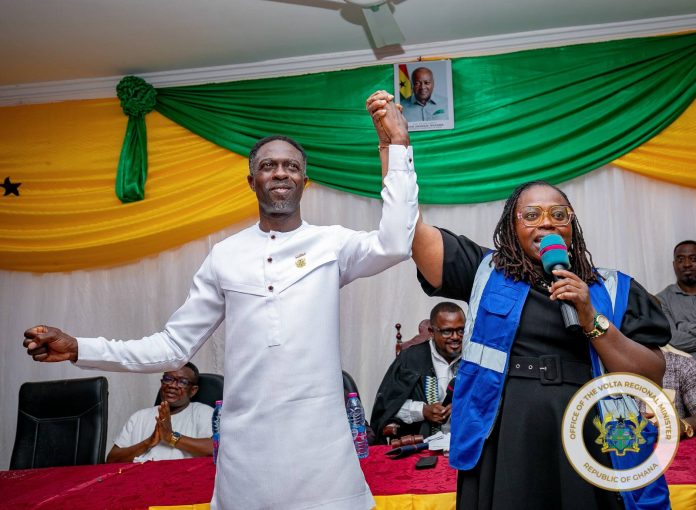
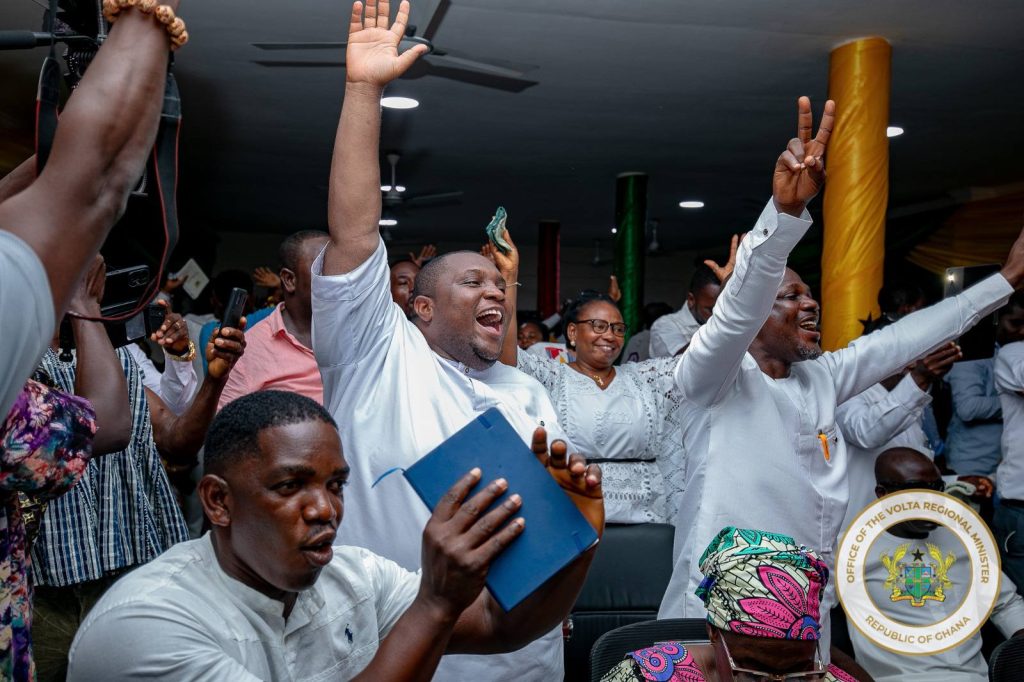
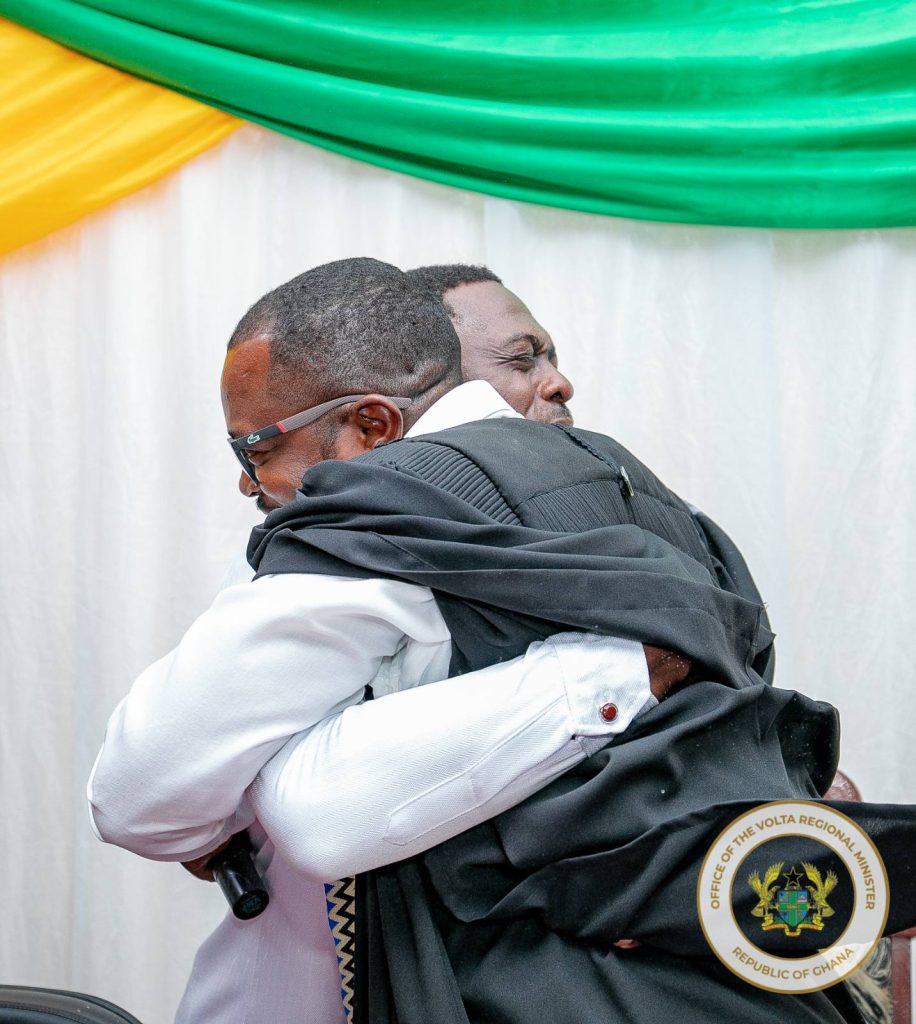
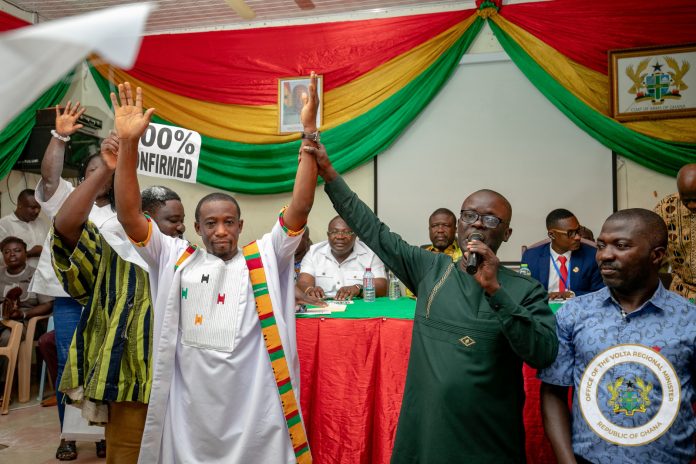
Members of the Ho Municipal Assembly in an extraordinary show of unity, have unanimously endorsed Mr. Stephen Adom as the Municipal Chief Executive (MCE). This follows his nomination by President John Dramani Mahama.
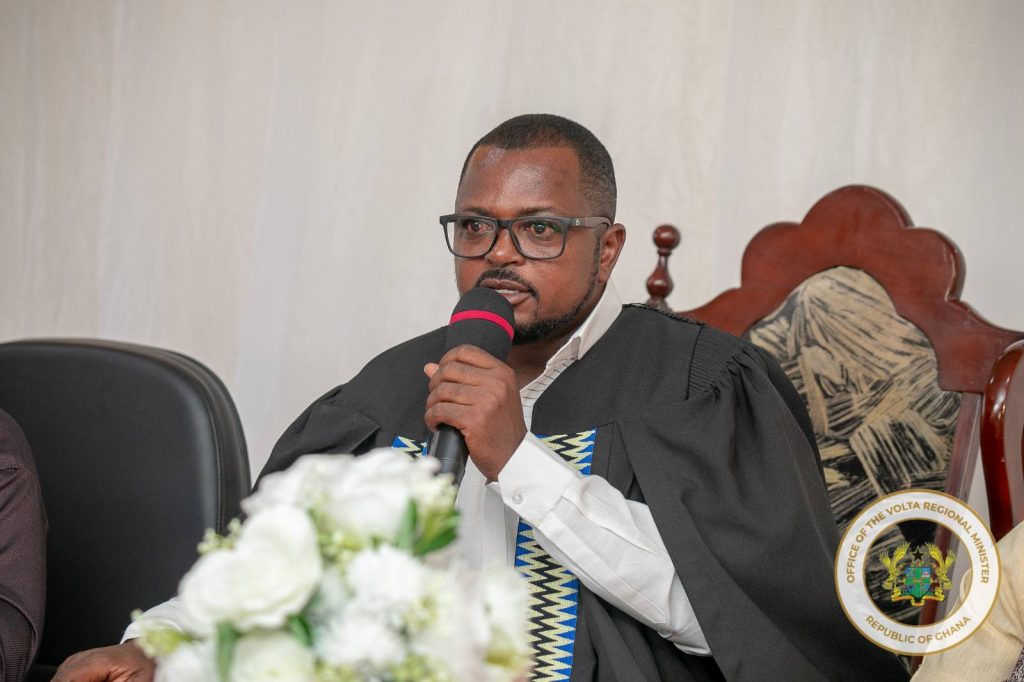
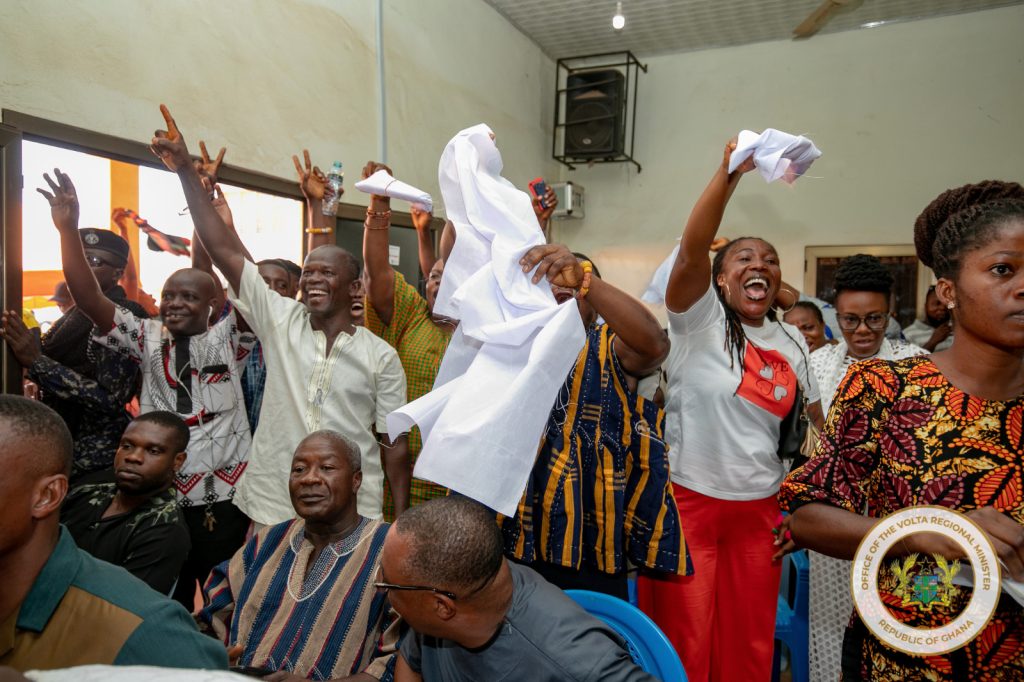
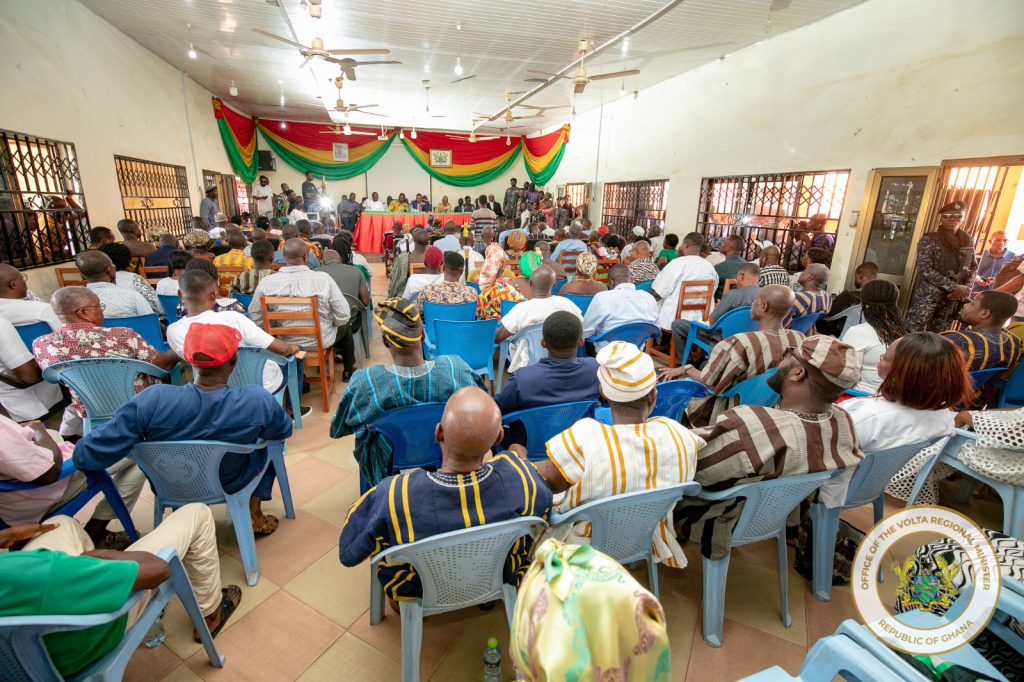
At a special sitting held on Monday, April 7, 2025, the 43-member assembly—comprising 29 elected and 14 appointed members—gave their full backing to the nominee, delivering 100% approval. Presiding Member Mawunyo Agbe steered the session, which marked the end of uncertainties over the nominee’s confirmation.
The atmosphere at the Municipal Assembly Hall was electric, with traditional and religious leaders, dignitaries, and NDC party stalwarts in attendance. Among the prominent figures present were Volta Regional Minister Hon. James Gunu, NDC Regional Chairman Mawutor Agbavitor, Ho Central MP Edem Kpotosu, and former MDCEs.
In his acceptance speech, Mr. Adom expressed heartfelt appreciation to the assembly members for the trust reposed in him. He pledged to work tirelessly to foster development in the municipality, outlining a bold vision that includes improving agriculture,commerce and education.
Volta Regional Minister Hon. James Gunu congratulated the assembly for their unity and urged them to support the new MCE in addressing pressing challenges such as infrastructure gaps. He reiterated the significance of Ho as a regional capital and the need for collaborative efforts to drive transformation.
The unanimous endorsement is seen as a positive signal for the future of Ho Municipality, with stakeholders hopeful that this milestone will pave the way for progress and prosperity.
Prosper Kumi has been confirmed as the Municipal Chief Executive (MCE) for Hohoe Municipality after securing a unanimous endorsement from all 25 Assembly Members, comprising 17 elected members and 8 government appointees.
The Friday, April 4 confirmation process was peaceful and well-coordinated, and highlighted the Assembly’s strong confidence in Mr. Kumi’s leadership.
Speaking at his confirmation ceremony in Hohoe, Mr. Kumi expressed heartfelt gratitude for the overwhelming support. He pledged to lead the municipality into a new era of prosperity, inclusivity, and sustainable development. His development agenda focuses on key areas such as infrastructure, agriculture, education, healthcare, job creation, and industrialization.
Among his plans are enhancing road networks, expanding water supply systems, and completing the Hohoe campus of the University of Health and Allied Sciences (UHAS).
Mr. Kumi promised a leadership style rooted in transparency, accountability, and inclusivity, stressing that every citizen would have a voice in decision-making processes. “I stand before you with humility and gratitude as I accept this noble responsibility,” he stated.
The Member of Parliament for Hohoe Constituency, Mr. Thomas Worlanyo Tsekpo, lauded Mr. Kumi’s confirmation, describing it as a show of unity and support for development. He assured equitable development across all electoral areas and reiterated his commitment to completing the Fodome UHAS campus and improving road networks.
Volta Regional Minister James Gunu emphasized that Mr. Kumi’s confirmation marks a renewed focus on development for the region. He expressed optimism about Hohoe attaining Metropolitan status and assured timely payment of Assembly Members’ allowances to ensure smooth governance.
Mr. Gunu noted that the confirmation symbolises progress and commitment to uplifting the municipality.
A former Director-General of the Ghana Health Service (GHS), Professor Agyeman Badu Akosa, a few weeks ago, wondered why any politician or senior public officer be allowed to travel out to go and seek healthcare?
“…Whether you like it or not, health is expensive and when they go out, they pay through their nose so why can’t we develop here? If the President is not well and is admitted to UGMC or to Korle-Bu Teaching Hospital, what will happen? There are no competent doctors to look after them? There are…”
These sentiments are not new and perhaps their reemergence is to drive home the call for Ghana to invest heavily in the health sector to make the country the premier medical tourism hub for the West African sub-region.
Interestingly, successive governments have been talking about the concept of making Ghana a medical tourism destination, what is left is actualizing the dream of benefitting from the projected 55.83-billion-dollar medical tourism market according to Statista 2025.
Canada, Singapore, Japan, Spain, UK, Dubai, and India are ranked among top medical tourism destinations.
In Africa, South Africa is the leader as a medical tourist destination. Morocco, Tunisia, and Egypt are up in North Africa attracting European patients. Kenya is also striving in East Africa, with not much happening in West Africa.
The Korle-Bu Teaching Hospital is attracting some foreign clients for heart surgeries, but in the larger scheme of things, a lot needs to be done to stop Ghanaians and other Africans from travelling outside the continent for such services and to also attract more clients from outside Africa.
Ghana’s Potential
Ghana has significant potential to become a thriving medical tourism destination due to its strategic location. The country’s geographical position – close to the Prime Meridian and the Equator – near the centre of the Earth-makes it a convenient destination for medical tourists from Europe, the Americas, Africa, and the Middle East, with relatively short flight times compared to other medical tourism hubs.
Also, the Kotoka International Airport (KIA), arguably a regional aviation hub, offers direct and connecting flights from major global cities, with the country’s warm temperature all year-round aiding post-treatment recovery for patients from colder regions who seek a stress-free healing environment.
With the growing demand for wellness and alternative medicine, Ghana’s natural resources, including its serene environment, herbal medicine expertise, and wellness retreats, provide opportunities for medical tourists seeking holistic treatments.
Ghana’s rich cultural heritage, historical sites, and vibrant tourism industry can complement medical tourism by offering a holistic experience for international patients and their families.
The country’s Oxygen City, Ho, provides fresh air, natural landscapes, and a relaxing atmosphere that enhances recovery and promotes wellness tourism.
Medical tourists can explore other sites across the country while receiving care.
According to the Ghana Tourism Authority, more than 1.1 million tourists visit the country annually, with significant economic, healthcare, and socio-cultural benefits to the country.
Should the country offer high-quality healthcare services at a fraction of the cost compared to Western countries and established medical tourism destinations it would become an attractive alternative for medical tourists.
Another strength is the country’s experienced consultants and specialists across the world who could be encouraged to come back to help develop and grow niche areas for medical tourism.
Benefits
Medical tourism boosts foreign exchange earnings because medical tourists bring in foreign currency, which helps in strengthening the economy and supporting national development.
Increased demand for medical services will lead to more investments in hospitals, clinics, and advanced medical equipment and expansion of the healthcare system.
Growth in medical tourism will also create thousands of jobs in healthcare, hospitality, transport, and tourism-related sectors, helping address the country’s unemployment challenge.
Government’s Intervention
The refreshing news is that the Government promises to diversify tourism to include health/medical tourism and pledges to expand infrastructure and systems and promote strategic branding.
Interestingly, in its first budget, the Government says it will give significant attention to medical tourism, finalising, publishing, and implementing the Medical Tourism Policy and Strategy.
“In this regard, the Korle-Bu Teaching Hospital will be refurbished into an ultramodern quaternary specialist hospital to reduce reliance on medical care and training abroad.
“Additionally, Ho Teaching Hospital will be upgraded to provide comprehensive specialist services, improving regional access to advanced medical care.”
Ho Teaching Hospital
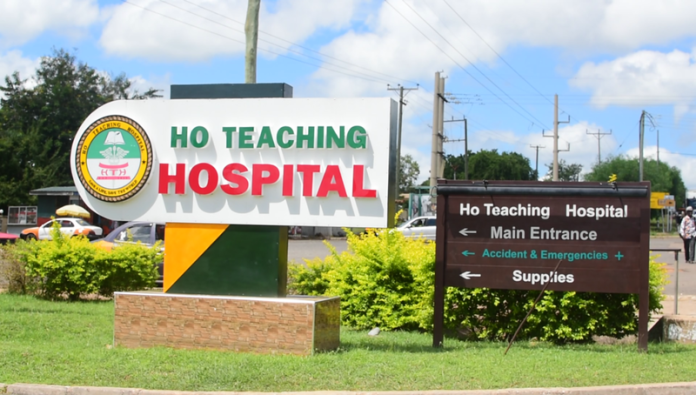
The Ho Teaching Hospital (HTH), strategically located to serve the people of the Volta Region and beyond, with a vision to become a medical tourist center through innovative healthcare, is already patronised by clients from neighboring Republic of Togo, Benin, and Nigeria.
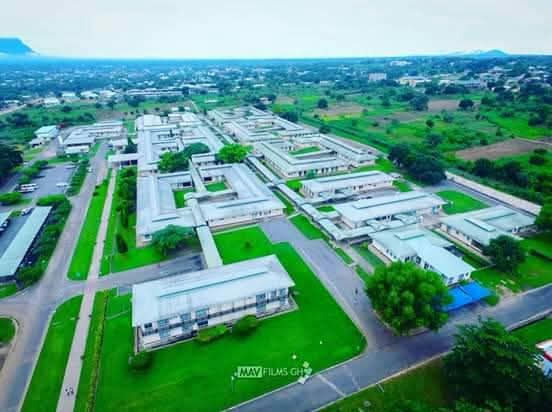
An aerial shot of the Ho Teaching Hospital (C) Mavfilms
Recently, the Hospital commissioned five new facilities, including a family health centre, a pharmacy complex, and an HTH Annex to enhance healthcare delivery.
The Ho Teaching Hospital Annex is nestled in a lush, green, and serene environment, offering a peaceful and healing atmosphere for patients, visitors, and medical professionals alike. Surrounded by well-manicured gardens, towering trees, and vibrant tropical plants, the Annex blends modern healthcare excellence with nature’s tranquility.
The Hospital’s expansive green spaces provide a calming retreat, promoting both physical and mental well-being. Patients recovering from treatment can enjoy fresh air, soothing natural scenery, and a quiet ambiance that enhances the healing process. The chirping of birds, gentle rustling of leaves, and a well-maintained landscape create an oasis of comfort and relaxation, setting it apart as an ideal destination for wellness and medical tourism.
With its eco-friendly design, and spacious walkways, the Ho Teaching Hospital Annex is not just a healthcare facility—it’s a sanctuary where nature and medicine come together to foster holistic healing.
While this is encouraging, it is important that the Government helps these hospitals to undergo international accreditation processes to boost trust and build brand visibility.
The government must also introduce favourable medical travel policies to encourage clients to choose Ghana for medical tourism.
A Coordinating Unit should also be created within the Ministry of Health to facilitate the health tourism agenda.
An Agency with appropriate legislation (Act of Parliament and its corresponding Legislative Instrument) can also be created to manage the fast-growing sector.
Conclusion
With the right investments in healthcare infrastructure, international accreditation, and marketing/branding, Ghana can be the medical tourism destination in Africa.
By leveraging its affordability, quality care, and tourism appeal, the country can attract a growing number of medical travelers seeking world-class treatment in a welcoming and culturally rich environment.
END
The Writer is the Medical Tourism Coordinator, Ho Teaching Hospital.
The Chief Executive Officer of the National Vaccine Institute, Dr. Sodzi Sodzi Tetteh, has stressed the crucial need for local vaccine manufacturing in Ghana, particularly as the country prepares to transition from Global Alliance for Vaccine Initiatives (GAVI) support by 2030.
“GAVI currently covers approximately 80% of the costs and distribution of vaccines for Ghana’s Immunization Programmes,” Dr. Tetteh explained. “However, once Ghana reaches middle-income status, it will no longer be eligible for this support.”
Dr. Tetteh made these remarks during a working visit to the University of Health and Allied Sciences (UHAS), accompanied by representatives from the German Development Corporation (GIZ), UNIDO, and the European Union.
He highlighted UHAS’s vital role in vaccine development, praising the university’s significant progress in establishing a laboratory, simulation center, and a team dedicated to vaccine research and development.
Dr. Sodzi Sodzi Tetteh
Dr. Tetteh urged funding agencies and relevant institutions to increase their investment in UHAS to help advance Ghana’s vaccine production goals. “The progress made by UHAS so far is impressive,” Dr. Tetteh said. “I hope more funders will come together to support UHAS, enabling them to take their efforts to the next level.”
UHAS Vice Chancellor, Professor Lydia Aziato, welcomed the team and highlighted university’s impressive facilities, including the largest laboratory complex in sub-Saharan Africa and an ultra-modern simulation centre. She emphasized the university’s readiness to support vaccine production and research, a critical national priority as Ghana aims for vaccine self-sufficiency by 2030.
She thus appealed for support to expand the university’s vaccine research and development capacity, which would help secure Ghana’s vaccine self-sufficiency. She further noted that such support would enable researchers to transfer their knowledge to younger generations before retiring, as most of them are nearing the end of their service.
UHAS experts, including Professors Peter Atadja and Theophilus Adiku, presented a compelling case for collaboration, focusing on the urgent need to develop indigenous vaccines to reduce reliance on Gavi-supported programmes.
Representatives from the EU and UNIDO expressed optimism about supporting the initiative through funding mechanisms like the PharmaVax project, a German vaccine development programme.
The delegation toured UHAS’ facilities and expressed admiration for the university’s vision and capacity to lead this transformational initiative.
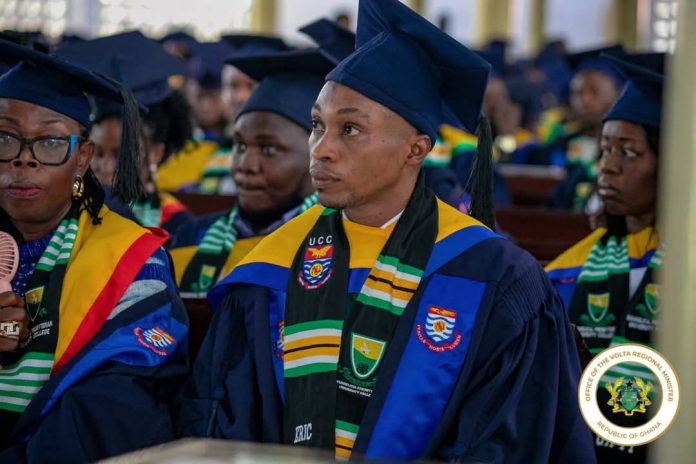
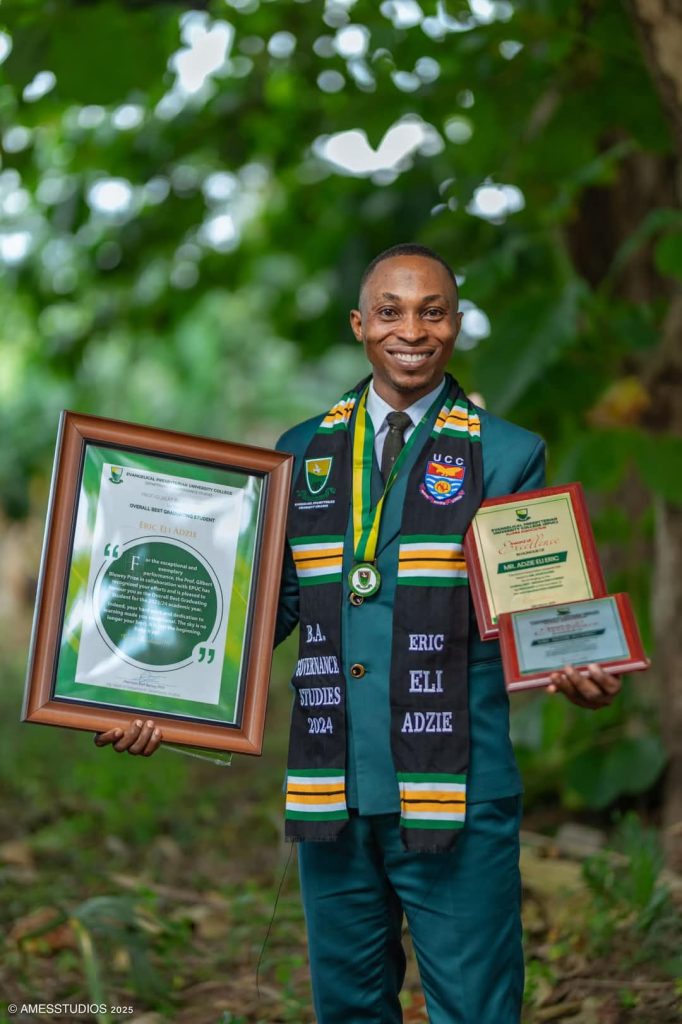
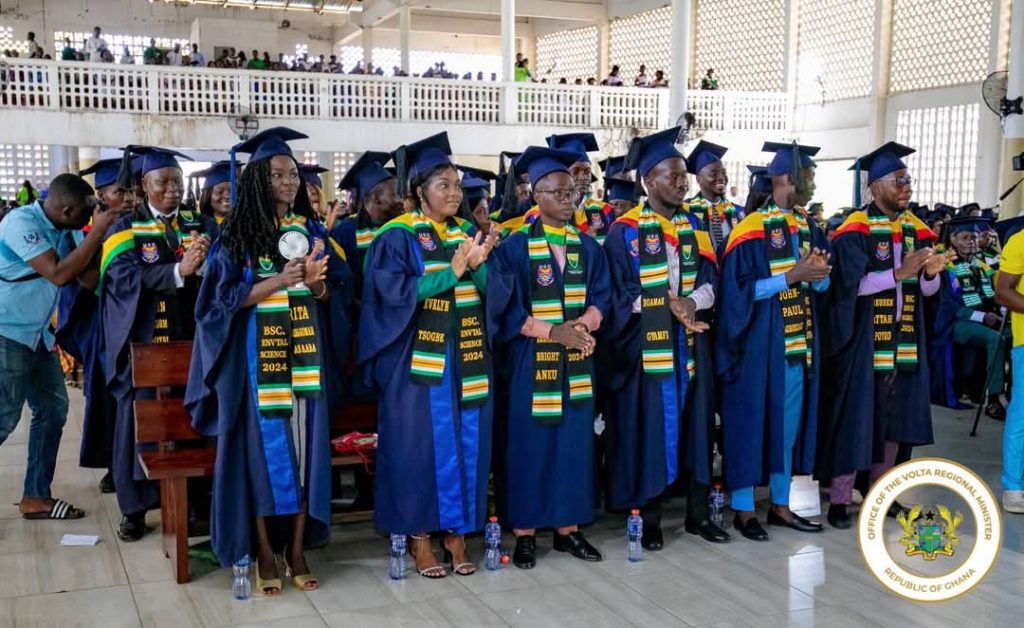
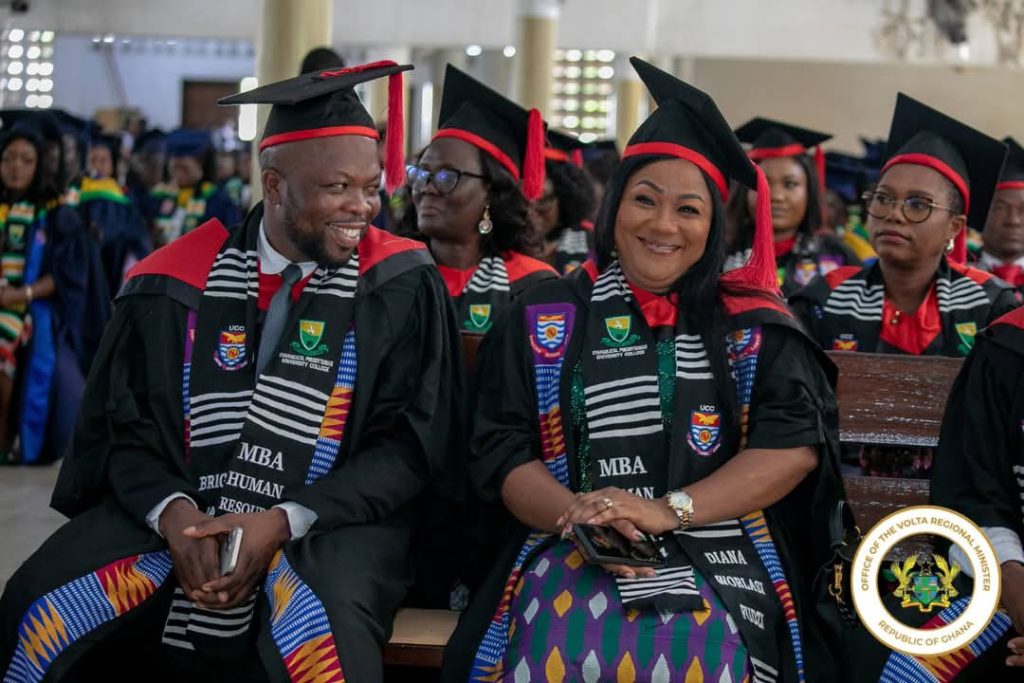
Eric Eli Adzie, a sports journalist with GBC-Volta Star Radio in Ho, emerged as the overall best student of the 2024 graduating class at the Evangelical Presbyterian University College’s (EPUC) 16th graduation ceremonyheld on Friday, March 28.
Mr. Adzie, the immediate past SRC President, graduated with First Class Honours in Governance Studies, earning him the Overall Best Graduating Student, Best Male Graduating Student, and Best Graduating Student in Governance Studies awards.
Mr. Adzie with his Awards
In his valedictory speech, Mr. Adzie expressed gratitude to the university’s management, lecturers, and family for their support throughout his academic journey.
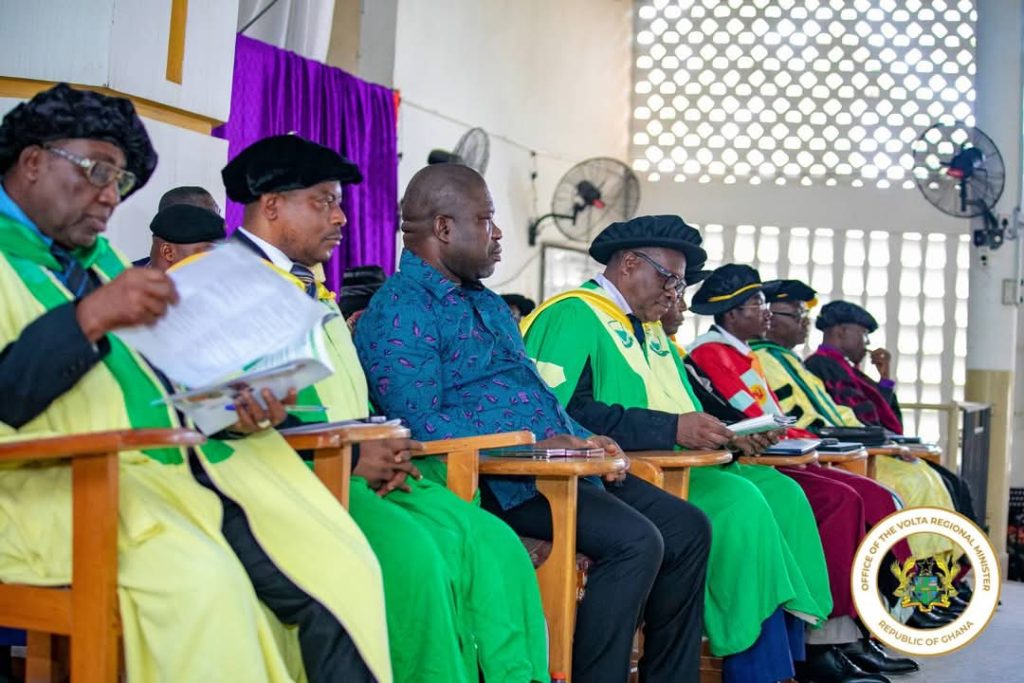
The ceremony, attended by the Volta Regional Minister, Hon. James Gunu, as the Guest of Honour, and the leadership of the E.P. Church, saw a total of 265 students graduate. This includes 16 Certificate-level graduates, 12 Diploma graduates, 222 Bachelor’s Degree graduates, and 15 Master’s Degree graduates.
Prof. Tsatsu Adogla-Bessa, Acting President of EPUC, presented a comprehensive report highlighting the institution’s growth, challenges, and achievements. He emphasized the values of hard work, discipline, and integrity as the foundation of the graduates’ success.
He also announced a Build, Operate, and Transfer (BOT) agreement for a 3,000-bed hostel facility and lecture halls at EPUC’s permanent site at Wumenu.
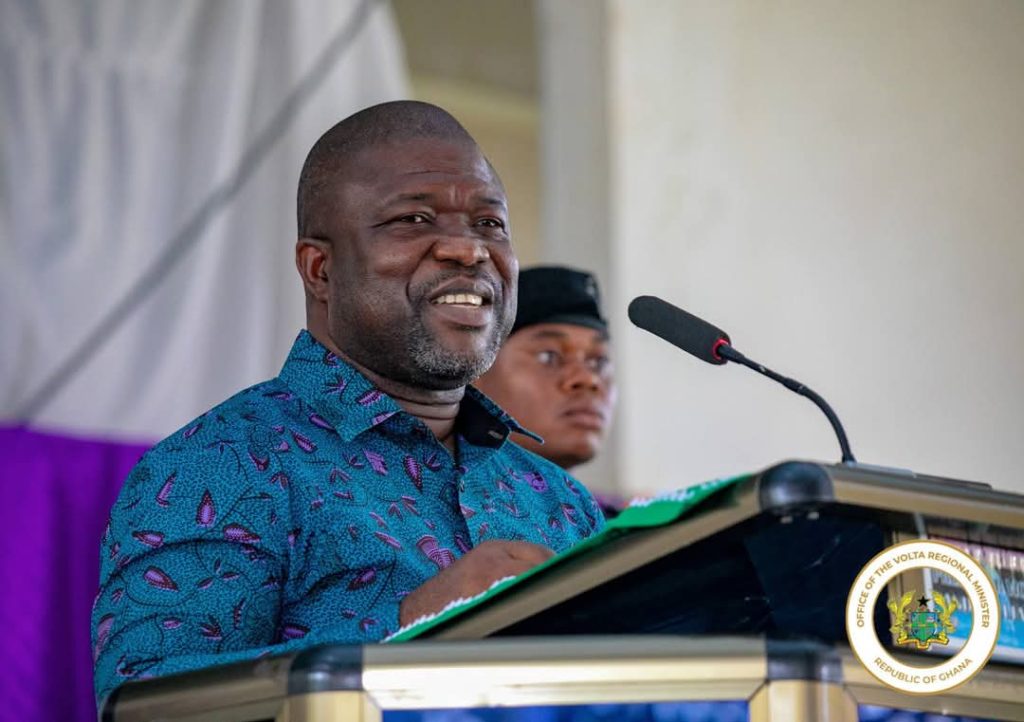
Hon. James Gunu commended EPUC for advancing education and regional development. He encouraged graduates to approach future endeavours with dedication, hard work, and innovation, reaffirming government support for tertiary education in the Volta Region.
“Congratulations to the graduates on their achievements; may their contributions benefit society,” Hon. Gunu added.
President John Dramani Mahama has nominated 17 individuals to serve as Municipal and District Chief Executives (MMDCEs) for various districts within the Volta Region.
The names were contained in a release by the Secretary to the President, Dr. Callistus Mahama, announcing nominees for eight out of the 16 regions.
The nominees, who are subject to approval by their respective Assemblies, include three women: Sandra Seyram Kpedor for Anlo, Victoria Amefadzi Yawa Doe for North Tongu, and Victoria Dzeklu for South Tongu.
For Ho Municipal, Mr. Stephen Adom, a staff member of the National Health Insurance Authority and a former parliamentary aspirant of the NDC, has been nominated as the Municipal Chief Executive. Also, the nominee for Kpando Municipal Assembly is yet to be named.
Below is the full list of nominees:
Ho Municipal – Stephen Adom
Hohoe Municipal – Prosper Kumi
Ketu South Municipal – Nicholas Kwabla Worlachie
Ketu North Municipal – Rev. Martin Amenaki
Keta Municipal – Wisdom Bondiru Seade
Adaklu District – Jerry Yaw Ameko
Afadzato South District – Manfred Tawiah
Agotime-Ziope District – Alfred Klu Odikro
Akatsi North District – Bless Kodjo Katamani
Akatsi South Municipal – Daniel Dogba
Anlo District– Sandra Seyram Kpedor
Central Tongu District – Dodzi Mornyie Addison
Ho West District – Prosper Francis Dussey
North Tongu District – Victoria Amefadzi Yawa Doe
South Dayi District – Courage Kwame Kokroko
South Tongu District – Victoria Dzeklu
North Dayi District – Ernest Adevor
Kpando Municipal – Pending
The President’s nominations are in line with the ongoing efforts to strengthen local governance and ensure effective leadership at the district level.