


BY: Dawda Mohammed Kakale | Journalist-Takoradi.
The victory of President John Dramani Mahama and the National Democratic Congress (NDC) in the 2024 Presidential and Parliamentary elections is unprecedented in the political and democratic history of Ghana since the inception of the Fourth Republican Constitutional rule, which began on 7th January 1993 with the reign of President Jerry John Rawlings.
Although in 1993 the Progressive Alliance led by the NDC controlled Parliament, that outcome was not the result of a competitive election victory. It came about because the New Patriotic Party (NPP) boycotted the parliamentary polls, protesting the presidential election they believed had been manipulated in favour of President Rawlings.
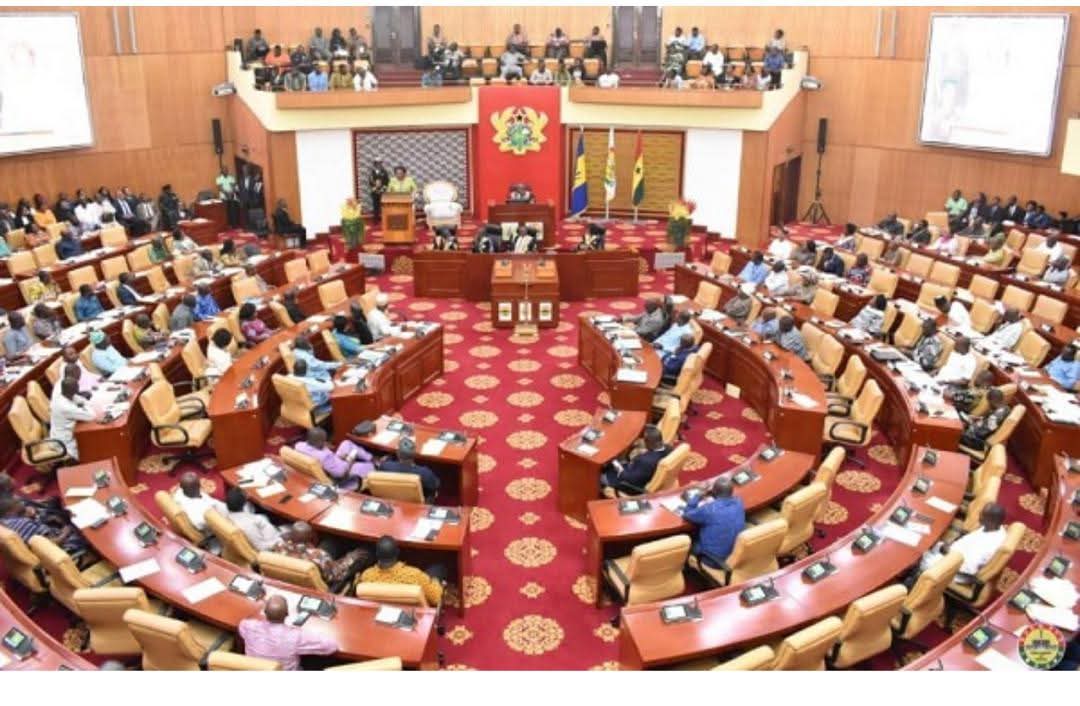
This makes the 2024 victory of President Mahama and the NDC—securing more than a two-thirds majority in Parliament—more profound and unprecedented in Ghana’s Fourth Republic. Winning such an overwhelming parliamentary majority is a feat that any political party would celebrate. Yet such a victory comes with significant dangers and risks for all stakeholders: the state, the ruling party, the opposition, and the very fabric of democracy.
As societies manage both successes and failures under the guiding principle of checks and balances, the question arises: what are the dangers of one political party winning a two-thirds majority in Parliament in a country like Ghana, where politics is dominated by two main parties—the NDC and the NPP?
In the 2024 elections, the NDC secured 184 seats against the NPP’s 85, while the remaining seats went to independents who have since aligned with the NDC, strengthening the majority side of the House. This outcome has created a Parliament firmly under the control of the ruling party.
While such dominance is politically advantageous, it poses several dangers that Ghana must be cautious about.
To the State
A single party winning two-thirds of seats in Parliament, as the NDC has achieved, carries serious risks for the state. Chief among them is the weakening of independent institutions. With overwhelming numbers in Parliament, the ruling party could be tempted to amend constitutional provisions or exert undue influence over critical institutions such as the Electoral Commission, the Commission on Human Rights and Administrative Justice (CHRAJ), and other state bodies, consolidating its political advantage.
If unchecked, this can push the country towards authoritarian governance. Heads of these institutions may be pressured to act in line with the executive’s wishes, out of fear of removal by a Parliament controlled by the ruling party. This undermines institutional independence and erodes public trust in governance.
To the Ruling Party
For the NDC, the two-thirds victory is legitimate grounds for celebration. However, such dominance carries its own dangers: complacency, unchecked corruption, and internal factionalism, especially when external opposition becomes too weak to hold the government accountable.
The absence of strong opposition oversight can embolden appointees and weaken discipline within the ruling party. Although a strong president may try to check excesses, the greatest danger lies in failure to deliver on campaign promises. If the NDC cannot translate its overwhelming mandate into meaningful policies that improve the lives of citizens, the party’s future electoral fortunes will be in jeopardy.
To Democracy
While the two-thirds majority is the product of a democratic process, it also poses threats to democracy itself. Chief among them is the erosion of checks and balances, suppression of pluralism, and declining public trust in governance.
With absolute parliamentary control, dissenting voices may be branded as “anti-development” or as working against the people’s mandate. Civil society organisations and minority opinions could be sidelined, narrowing national discourse to a single dominant narrative. This weakens the democratic culture that thrives on pluralism, debate, and accountability.
To the Opposition
The NDC’s overwhelming parliamentary dominance has left the NPP in a weakened position. With only 85 seats, the party now faces the challenge of redefining its strategy and rebuilding public confidence.
In response, the NPP has already opened nominations for its flagbearership contest, with five aspirants filing to contest in an election scheduled for 31st January 2026. This early internal race signals both urgency and pressure within the party to reorganize quickly. However, such contests also risk deepening factional divisions if not carefully managed.
This imbalance risks marginalising the opposition further, weakening Ghana’s two-party system and reducing political competition. Without a credible opposition, governance may suffer, and citizens may feel deprived of genuine alternatives. Ghana cannot afford to drift towards a one-party state.
Conclusion
The NDC’s two-thirds parliamentary majority is a historic achievement. But it is also a test—of leadership, restraint, and commitment to democratic values. Whether this dominance strengthens Ghana’s institutions and improves citizens’ lives, or instead becomes a tool for political excess, will define the legacy of this milestone.
Source: Dawda Mohammed Kakale | Journalist-Takoradi.

