


BY: Lambert Coffie | VoltaOnline
The Energy Commission of Ghana has convened a strategic three-day Board engagement at the Volta Serene Hotel in Ho to finalize the Draft Electric Vehicle (EV) Charging Infrastructure and Battery Swap Systems Regulations.
Running from February 20–22, 2026, the workshop forms part of the Commission’s Drive Electric Programme and marks a decisive step in the nation’s transition to sustainable mobility.
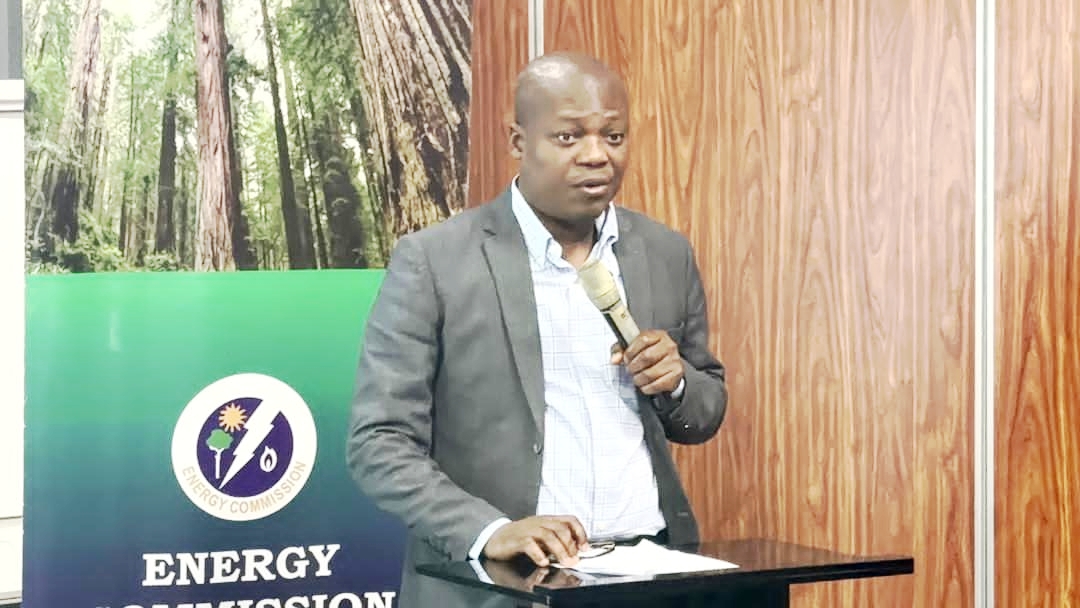
Delivering the keynote address at the opening session, Prof. John Gartchie Gatsi, Chairman of the Energy Commission Board, described the engagement as “a significant milestone in shaping the future of Ghana’s energy sector.” He emphasized that the draft regulations will provide the legal and technical framework to guide EV deployment, safeguard consumer safety, and prevent Ghana from becoming a dumping ground for obsolete internal combustion engine vehicles. Prof. Gatsi reaffirmed the Board’s commitment to ensuring that the regulations reflect both international best practice and Ghana’s unique energy needs.
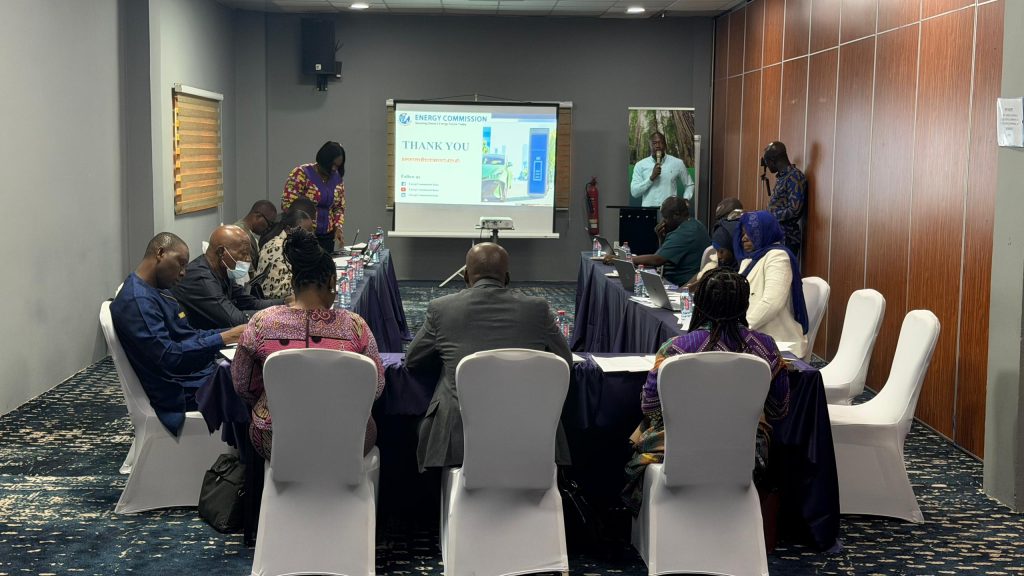
He further noted that, this engagement forms part of a broader consultative process that has involved regional stakeholder meetings, industry consultations, technical reviews, and public input. Final comments from the Board will be submitted to the Attorney General’s Department for legal review before the regulations proceed to Parliament, the Board Chairman noted.
Also speaking at the opening, Mr. Kennedy Amankwah, Deputy Director of Energy Efficiency Regulations, underscored the collective responsibility of stakeholders in advancing Ghana’s climate and sustainability goals. He noted that the regulations will serve as a cornerstone for safe and efficient EV infrastructure.
Providing an overview of Ghana’s EV sector, Ms. Joyce Caitlyn Ocansey, Project Coordinator of the Drive Electric Initiative, outlined progress made through baseline studies, stakeholder consultations, and collaboration with the Ghana Standards Authority. She highlighted the opportunities electric mobility presents for economic growth, environmental stewardship, and energy security, while stressing the need for strong regulatory backing.
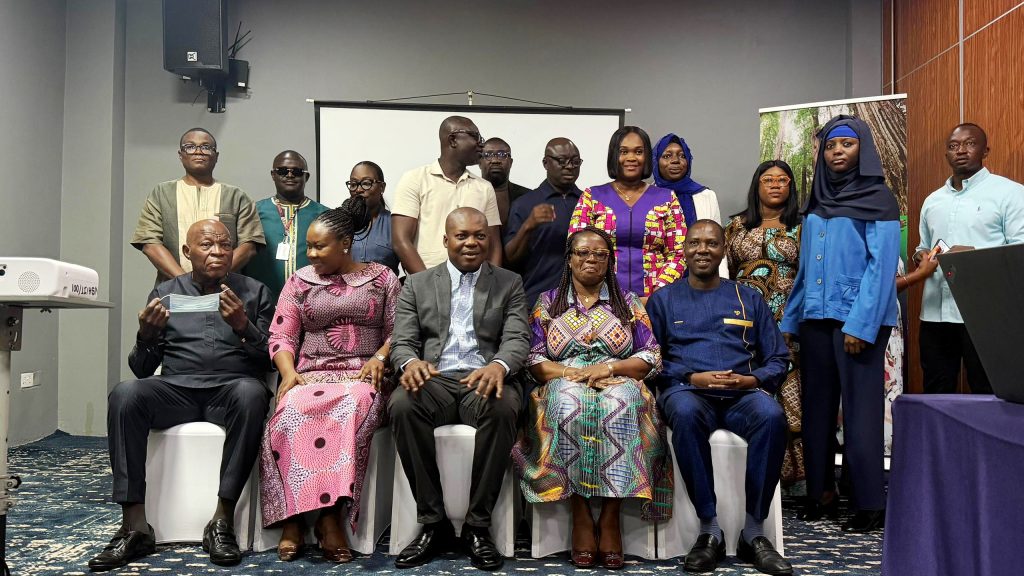
The workshop agenda included detailed reviews of the draft regulations, covering residential, workplace, and public charging stations, as well as mandatory safety requirements and technical guidelines for grid integration. The Board will also deliberate on harmonizing safety measures with the National Petroleum Authority regarding EV charging stations at fuel stations.

